
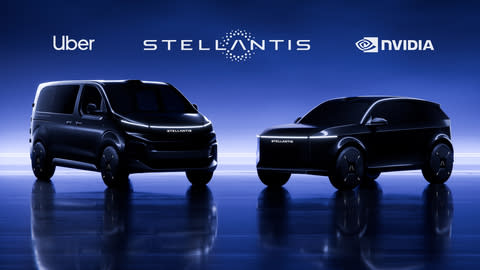
Uber is shifting its strategy from developing self-driving technology to providing the essential infrastructure that keeps it running. The company recently unveiled Uber Autonomous Solutions, a new division designed to act as a “Swiss Army Knife” for the AV industry. By handling the complex logistics of fleet management, software support, and daily operations, Uber aims to become the backbone for every robotaxi, delivery bot, and autonomous truck hitting the road.
The Strategy: Operations as a Service
Led by Sarfraz Maredia, Uber’s global head of autonomous mobility, the new division is designed to bridge the gap between building software and running a profitable business. Uber’s pitch to tech developers is simple: focus on the AI, and let Uber handle the rest. This includes:
- Fleet Management: Handling insurance, remote assistance, and the human workforce needed to support vehicles in the field.
- Infrastructure & Data: Providing fleet financing, regulatory navigation, and high-resolution mapping.
- User Experience: Managing demand generation, rider interfaces, and customer support.
To accelerate this, Uber has launched Uber AV Labs, which uses a fleet of specially equipped Lucid vehicles to collect training data and mapping information for its partners.
A Massive Network of Partnerships
Uber has spent years cultivating a vast ecosystem of partners across various sectors. The company already operates robotaxi services with Waymo in Austin and Atlanta and has secured deals with international firms like Baidu, Pony.ai, and WeRide.
The expansion isn’t limited to passenger cars. Uber is working with sidewalk delivery specialists like Serve Robotics, Starship, and Cartken, as well as autonomous trucking firms like Waabi. To support these electric fleets, Uber has committed $100 million toward building specialized fast-charging stations.
Scaling to 15+ Cities
The company’s ambitions are immediate. Uber plans to help its partners scale robotaxi deployments to more than 15 cities by the end of 2026. This includes a high-profile partnership with Volkswagen to launch a service in Los Angeles, which is expected to transition to fully driverless operations by 2027.
From Developer to Essential Partner
This pivot follows Uber’s 2020 decision to sell its internal AV development unit, ATG, to Aurora. By stepping away from the “arms race” of building the primary driving software, Uber is insulating itself from the high costs of R&D while ensuring it remains the dominant platform for the future of mobility. As Andrew MacDonald, Uber’s President and COO, noted, the goal is to make autonomy commercially viable by providing the operational depth that tech-focused firms often lack.