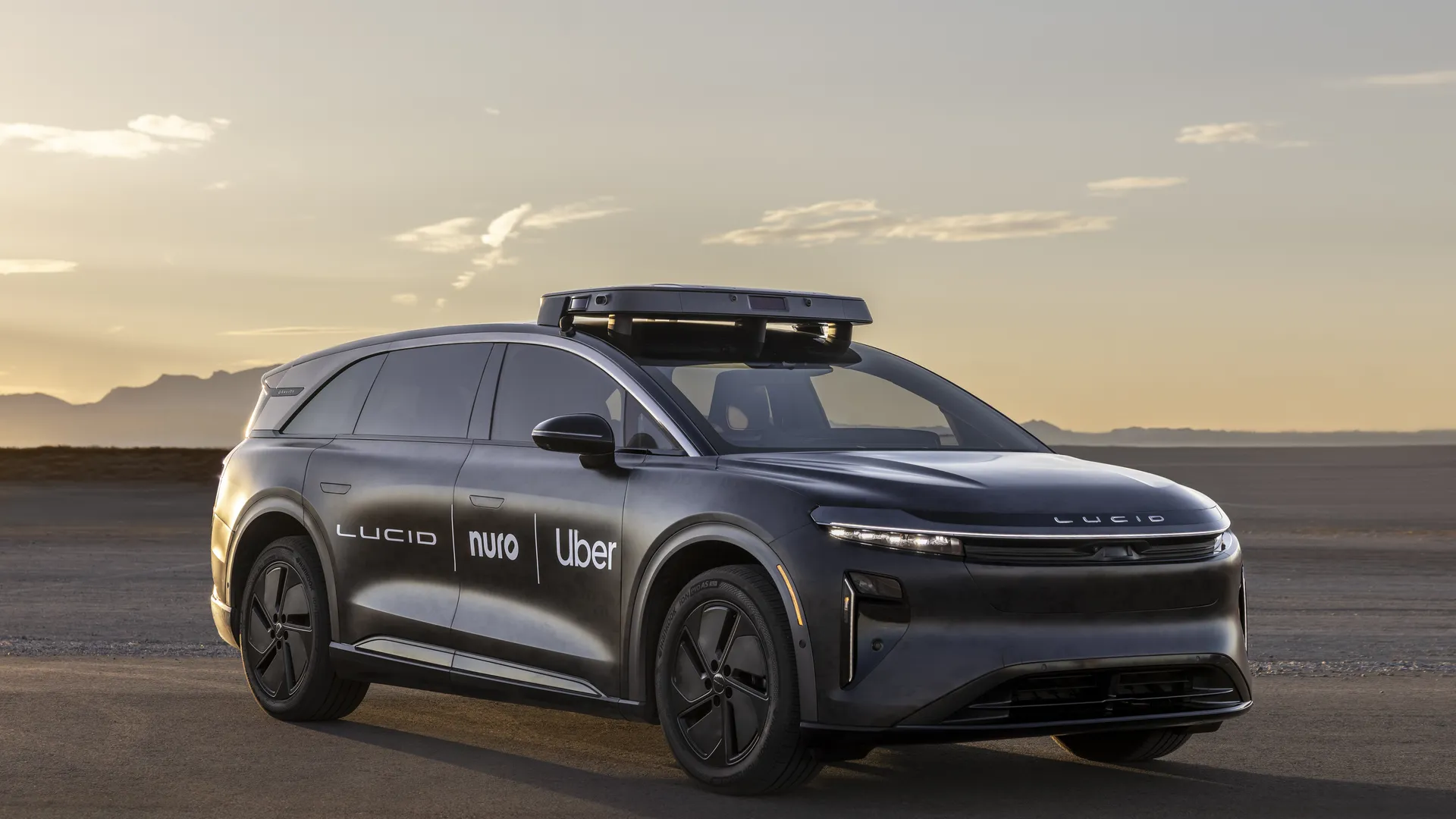
The path toward a high-end autonomous ride-hailing service is clearing as Nuro secures a critical regulatory win. The California Department of Motor Vehicles has officially modified Nuro’s driverless testing permit, allowing the company to operate Lucid Gravity SUVs on public roads without a human safety driver behind the wheel.
A Strategic Shift in Autonomous Tech
This permit marks a significant evolution for Nuro. While the startup has held driverless permissions for six years, its previous focus was on specialized low-speed delivery pods. After pivoting its business model to license autonomous systems to industry giants like Uber, Nuro is now prioritizing full-sized passenger vehicles.
Currently, Nuro and Uber are testing these vehicles with safety operators in the driver’s seat. In a recent expansion of the program, Uber employees have even begun hailing autonomous Lucid rides directly through the Uber app. The new permit allows Nuro to remove the human element entirely, with driverless testing expected to ramp up later this year.
The Three-Way Alliance: Uber, Lucid, and Nvidia
The partnership between these tech leaders has grown increasingly ambitious. Uber recently boosted its commitment to Lucid Motors, increasing its investment to $500 million. The deal now includes a minimum of 35,000 robotaxi-ready EVs:
- 10,000 Lucid Gravity SUVs: The premium flagship for the service.
- 25,000 Mid-size EVs: Built on Lucid’s upcoming platform.
These vehicles are powered by the Nvidia Drive AGX Thor computer and equipped with a sophisticated sensor suite featuring high-resolution cameras, radars, and solid-state lidar.
The Road to Commercial Launch
While the testing permit is a major victory, several regulatory hurdles remain. To move from testing to a commercial service, Nuro must still obtain a driverless ride-hailing permit from the California Public Utilities Commission and a formal deployment permit from the DMV.
Lucid has already delivered 75 engineering vehicles to its partners for data collection across various U.S. cities. If development and certifications stay on track, the trio aims to begin commercial robotaxi operations by late 2026.