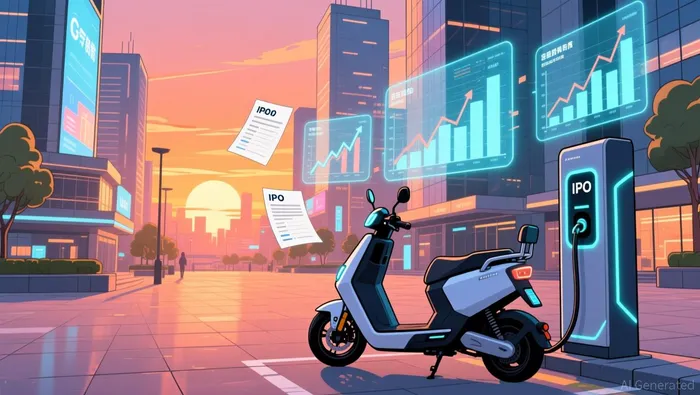
After years of speculation, the micromobility giant Lime has finally filed its S-1 registration statement to go public. While the move signals a major milestone for the e-bike and scooter industry, the filing reveals a company operating under immense financial pressure.
The Billion-Dollar Deadline
Lime’s financials show a business trending toward maturity, with climbing revenue and narrowing net losses. However, the company is facing a massive liquidity challenge. Lime currently carries approximately $1 billion in liabilities, with $846 million of that debt coming due within the next 12 months. The filing makes the stakes clear: if the IPO fails to raise sufficient capital or debt agreements aren’t restructured, the company’s ability to continue operations is at risk.
The Uber Connection
Strategic partnerships remain central to Lime’s survival. Uber, a long-time investor, accounted for over 14% of Lime’s revenue in 2025. This integration allows users to book Lime vehicles directly through the Uber app, providing a consistent stream of demand even as Lime navigates infrastructure hurdles like city potholes and market concentration in regions like the U.K.
Uber’s Autonomous Ecosystem Expands
While supporting Lime, Uber is also building a formidable autonomous vehicle (AV) network. The company recently increased its investment in Lucid to $500 million, ordering 35,000 Gravity SUVs for its premium robotaxi fleet.
Simultaneously, Uber has committed nearly $500 million to Nuro. Nuro is currently testing autonomous Lucid vehicles and recently secured critical driverless permits from the California DMV and the CPUC.
Market Realities and Industry Shifts
The broader mobility sector continues to experience growing pains as companies balance innovation with capital requirements.
- Kodiak AI: Despite securing commercial deals with Roehl and General Dynamics, Kodiak AI faced a “down round,” raising $100 million at a significant discount to its previous share price.
- Aurora: The company has begun hauling freight for McLane in Texas using driverless trucks, though human observers remain in the cabin for now.
- Rivian: In a major shift in corporate backing, Volkswagen has surpassed Amazon to become the largest shareholder in Rivian.
- Safety Benchmarks: The 2026 Tesla Model Y has become the first vehicle to meet the NHTSA’s updated, more rigorous safety standards for advanced driver assistance systems.
For those looking to dive deeper into these industry shifts, the latest episode of the Equity podcast features an interview with Aurora CEO Chris Urmson on the future of autonomous trucking.