
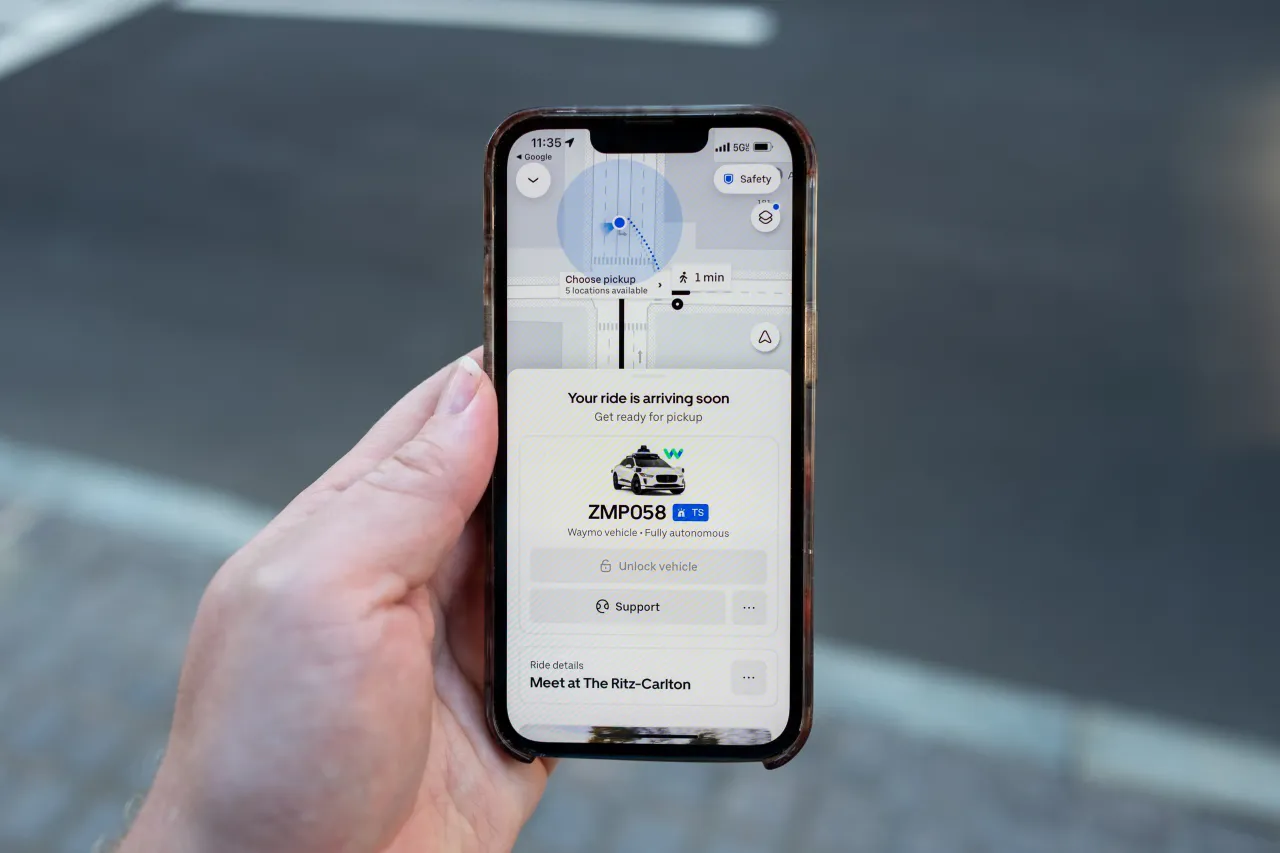
Uber is no longer content with just being your ride home. Under pressure from the rise of autonomous competitors like Waymo, the company is accelerating its transformation into a “super app”—a single platform designed to handle every aspect of a user’s daily life and travel.
The Strategy of the “Flow”
At the heart of this pivot is the concept of a seamless consumer “flow.” Speaking at the StrictlyVC event in San Francisco, Uber CTO Praveen Neppalli Naga explained that the goal is to capture the entire travel itinerary. Whether it’s an Uber to the airport, a flight, or a stay at a destination, Uber wants to be the interface for the journey.
The linchpin of this ecosystem is Uber One, a $9.99 monthly subscription that now boasts 50 million members. These users drive roughly half of the company’s total bookings, proving that membership is the most effective way to keep consumers within the app’s walls.
Expanding the Ecosystem
Uber’s recent GO-GET event unveiled concrete steps toward this all-in-one future:
- Hotels and Lodging: Through a partnership with Expedia Group, users can now book over 700,000 hotels directly in the app. Plans to integrate Vrbo vacation rentals are slated for later this year.
- Dining and Errands: A collaboration with OpenTable will soon bring restaurant reservations to the platform, while a new “Shop for Me” feature allows users to order items from retailers not even listed on the standard Uber Eats marketplace.
- Financial Services: While still in the early stages, Naga hinted at further expansion into finance, building on existing debit card offerings for drivers.
A Crowded Field of Contenders
Uber isn’t the only tech giant eyeing the super app crown. Airbnb is defending its turf by partnering with Welcome Pickups to offer airport transfers in 125 cities, aiming to keep travelers from switching to Uber. Meanwhile, Elon Musk is pushing X toward the “everything app” model with the upcoming launch of “X Money,” a banking and payments system.
The Road Ahead
The challenge remains whether American consumers—who are used to a fragmented app market—will embrace a centralized platform. While Uber’s delivery revenue grew 34% last quarter to $5.07 billion, its stock has seen some volatility. With 199 million monthly active users, Uber is betting that its massive installed base and existing payment data will provide the necessary moat to win the race. For those tracking these market-defining shifts, events like TechCrunch Disrupt 2026 continue to be the staging ground for such industry transformations.