The End of Silence: Why Your Next Office Will Sound Like a Call Center
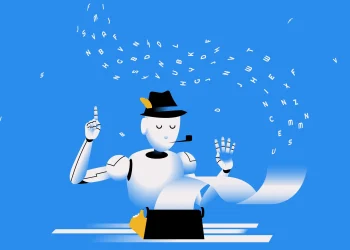
The modern workplace is undergoing a radical sonic transformation. For decades, the rhythmic clicking of keyboards defined the professional atmosphere, but a new era of “whisper-filled” offices is emerging. Driven by the rise of sophisticated dictation apps like Wispr and the advent of “vibe-coding” tools, developers and executives are increasingly ditching their QWERTY layouts in favor of their voices.
From Quiet Cubicles to High-End Call Centers
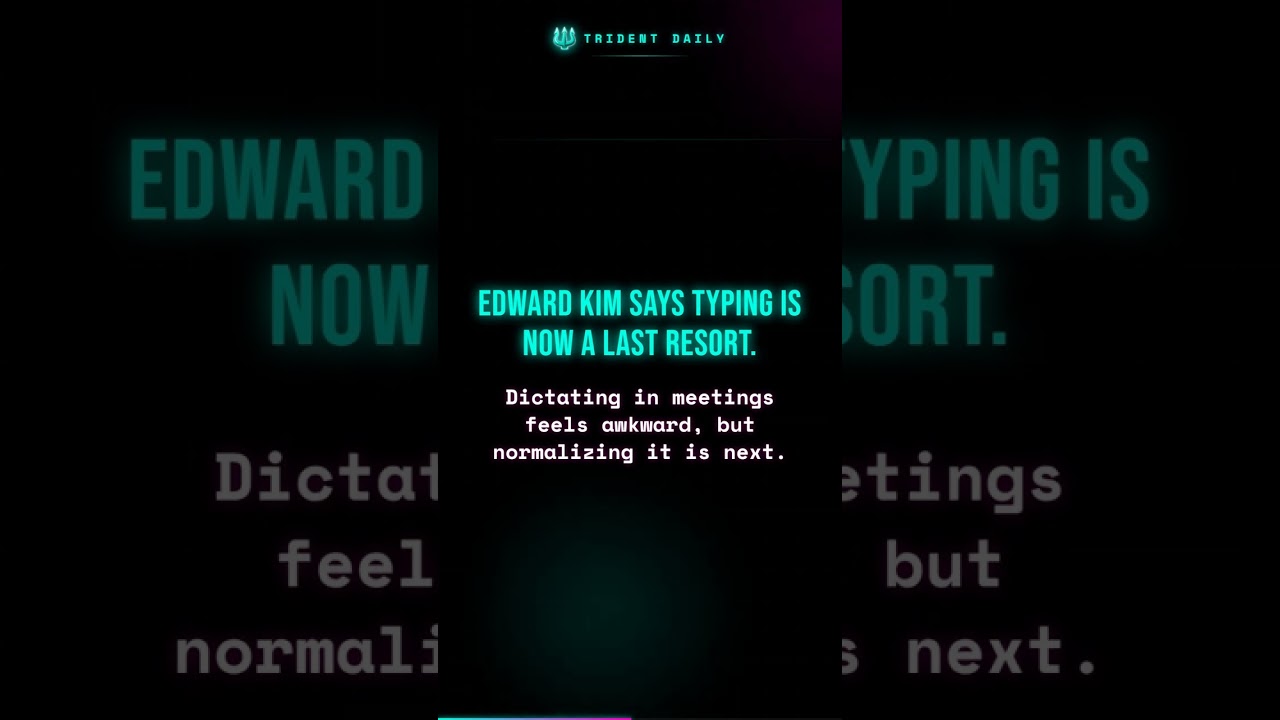
The shift is already palpable within the startup ecosystem. Some venture capitalists have noted that visiting a modern tech headquarters now feels less like a library and more like stepping into a high-end call center. Edward Kim, the co-founder of Gusto, has become a primary advocate for this vocal revolution. Kim predicts that the future workplace will eventually mimic the high-energy environment of a sales floor. In fact, he claims to have reached a point where he only types when absolutely necessary, preferring to dictate his way through the workday.
The Social Friction of the “Whisper” Era
While the technology is advancing rapidly, human etiquette is still catching up. Transitioning to a voice-first workflow creates undeniable social awkwardness. Kim admits that constant dictation in a shared space can feel uncomfortable, and the friction extends beyond the office walls.
AI entrepreneur Mollie Amkraut Mueller highlighted this domestic tension, noting that her husband became so annoyed by her habit of whispering to her computer that they now have to work in separate rooms during late-night sessions.
Normalizing the Noise
Despite the current “cringe factor,” industry leaders believe we are simply in a transitional phase. Tanay Kothari, the founder of Wispr, argues that talking to our machines will eventually feel as mundane as staring at a smartphone—a behavior that was once considered socially jarring but is now a universal norm. As AI becomes more integrated into our creative and technical processes, the silent office may soon become a relic of the past, replaced by the low hum of a workforce talking their ideas into existence.