
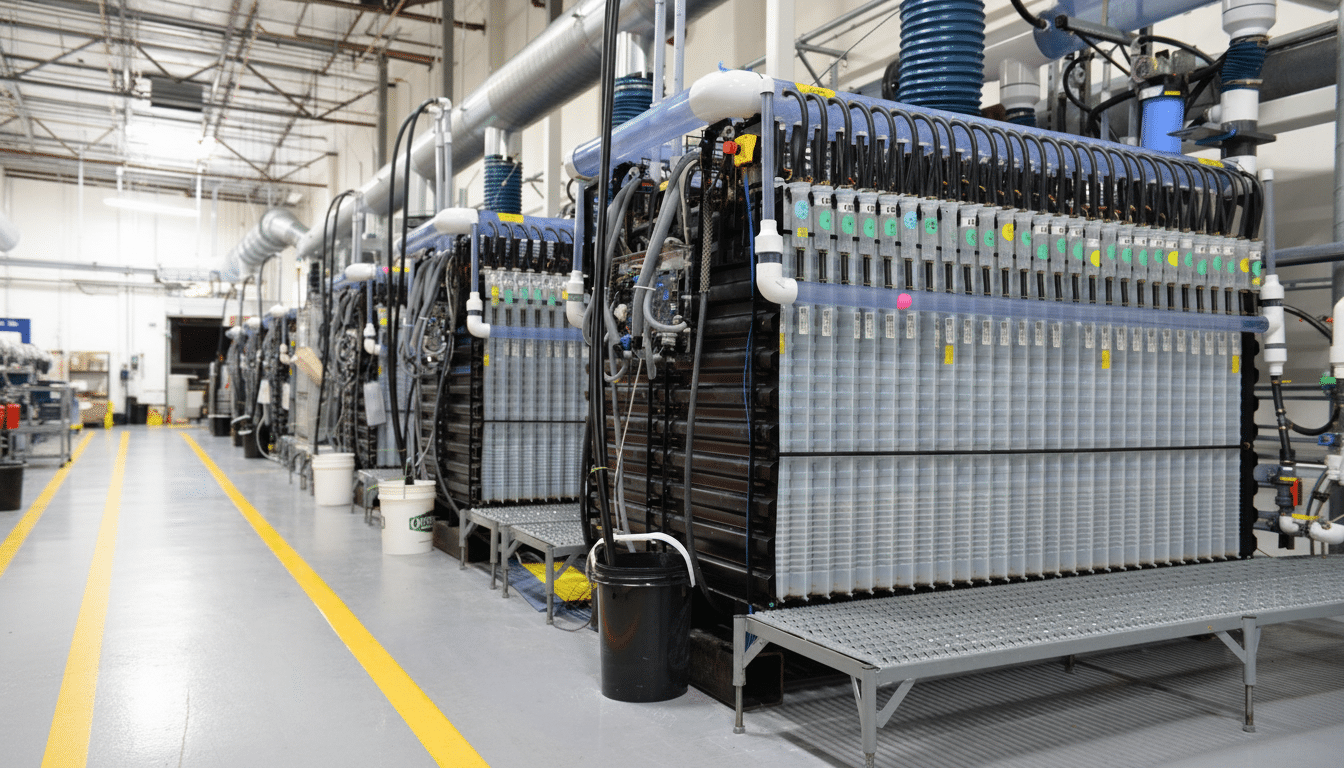
Google is making a massive play for carbon-free energy in the Midwest. The tech giant has announced its first-ever Minnesota data center in Pine Island, backed by a staggering 1.9-gigawatt clean energy agreement. The centerpiece of this deal is a record-breaking 30-gigawatt-hour battery system designed to keep the facility running even when the wind stops and the sun sets.
Harnessing the Power of Rust
In partnership with Xcel Energy, Google is deploying 1.4 gigawatts of wind and 200 megawatts of solar power. To solve the intermittency of these sources, they are turning to Form Energy and its innovative iron-air battery technology.
Unlike standard lithium-ion batteries, Form’s system generates electricity through a controlled rusting process. When discharging, the battery “breathes in” oxygen to rust iron pebbles; to recharge, an electrical current reverses the process, turning the rust back into metallic iron. While these batteries are only 50% to 70% efficient—lower than lithium-ion’s 90%—they are significantly cheaper. At roughly $20 per kilowatt-hour, the technology costs about a third of traditional grid-scale storage.
A New Model for Clean Utility Scaling
The project isn’t just a technical milestone; it’s a regulatory one. To integrate this relatively new technology, Google and Xcel are using a “clean transition tariff.” This framework allows Google to pay a premium for emerging technologies, ensuring that local ratepayers are protected from the financial risks often associated with unproven hardware.
This model, which Google previously pioneered with Fervo Energy in Nevada, creates a pathway for utilities to adopt long-duration storage without regulatory friction. With Form Energy already installing a smaller pilot project with Great River Energy, this new 300-megawatt, 100-hour system marks a massive leap toward “firming” renewable energy for a 24/7 carbon-free grid.