President Donald Trump has placed Iran on a strict 15-day timeline to secure a new nuclear agreement, warning that “really bad things” will occur if a deal isn’t reached. Speaking at the debut of his Board of Peace in Washington, Trump characterized the current negotiations as productive but insisted that Tehran must commit to a “meaningful” settlement immediately.
A High-Stakes Deadline
The President’s ultimatum follows a massive U.S. military buildup in the Middle East, including the deployment of aircraft carriers and fighter jets. Trump referenced previous airstrikes from June that he claimed “decimated” Iran’s nuclear capabilities, suggesting that further military action remains on the table. “You’ll be finding out over the next probably 10 days,” Trump told reporters, later extending the window to a maximum of 15 days.
Tehran Vows Retaliation
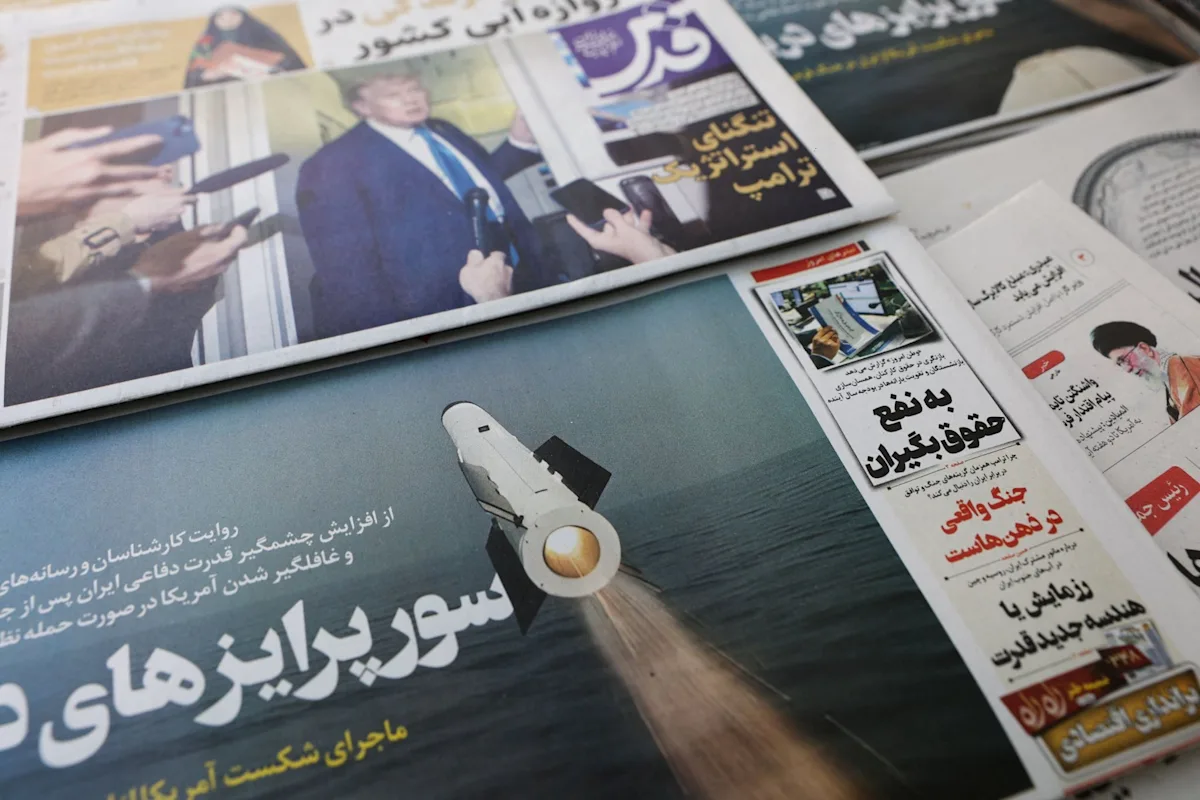
In response to the threats, Iran has signaled it will not back down. In a formal letter to U.N. Secretary-General Antonio Guterres, Iranian officials stated that while they do not seek war, they will respond “decisively and proportionately” to any aggression. Tehran warned that all American bases and assets in the region would be considered legitimate targets if a strike occurs.
Diplomatic Deadlock and Global Concerns
While Iranian Foreign Minister Abbas Araqchi noted agreement on “guiding principles” during recent talks, the two nations remain fundamentally at odds. The U.S. demands a total end to uranium enrichment and ballistic missile development—terms Iran considers a “red line.”
The escalating tension has already triggered global consequences:
- Energy Markets: Oil prices have surged amid fears of renewed conflict.
- Regional Maneuvers: A Russian warship recently joined Iranian naval drills in the Gulf of Oman.
- Diplomatic Pressure: U.S. Secretary of State Marco Rubio is scheduled to coordinate with Israeli Prime Minister Benjamin Netanyahu on February 28.
As the 15-day clock ticks down, European nations like Poland have already begun advising citizens to evacuate Iran, reflecting growing international anxiety over a potential “unprecedented escalation.”