
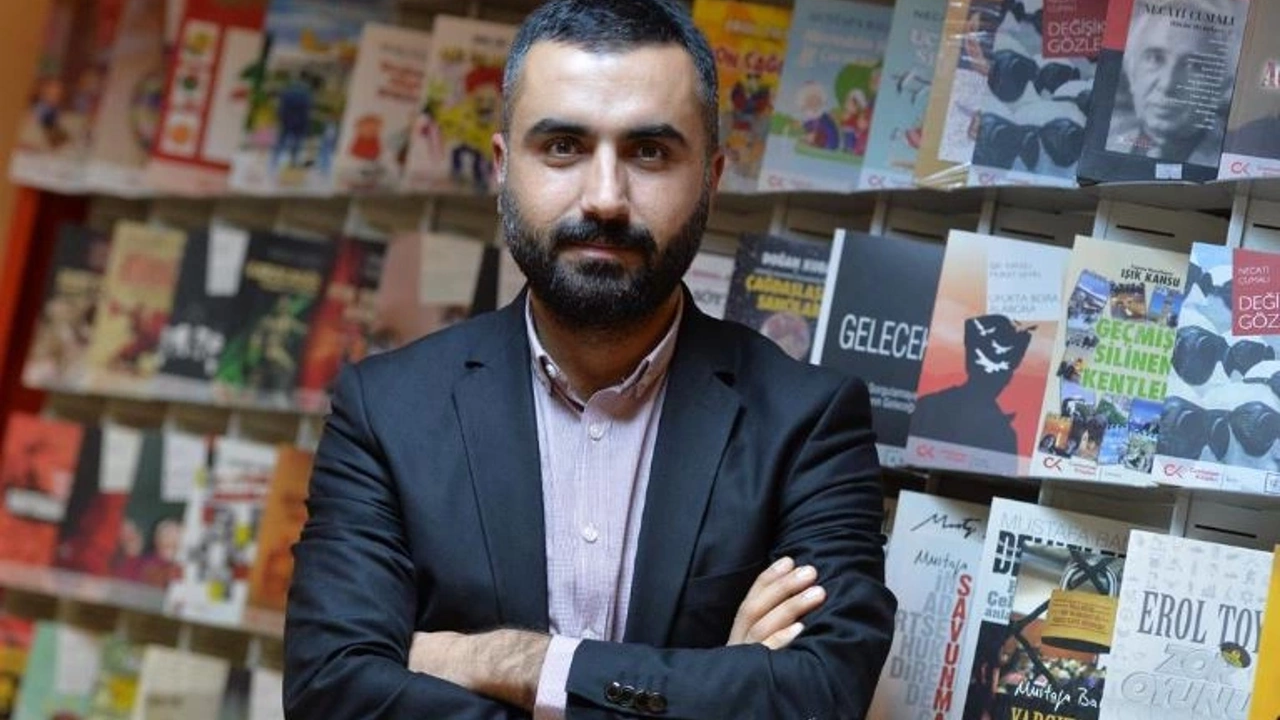
The ongoing tension between the Turkish state and independent media has reached a new flashpoint with the arrest of Alican Uludag, a seasoned correspondent for the German international broadcaster Deutsche Welle (DW). Uludag was formally taken into custody in Ankara following a criminal investigation into his social media activity.
Legal Target: “Insulting the President”
The Turkish judiciary has charged Uludag with insulting President Tayyip Erdogan, a move predicated on a series of posts shared on X (formerly Twitter). The court ruled that Uludag’s commentary undermined the “honour, dignity, and respectability” of the presidency.
The Context of the Criticism
The allegations center on posts made approximately 18 months ago. In these updates, Uludag scrutinized Turkish government maneuvers that led to the release of suspected Islamic State (ISIS) militants. While the journalist viewed these posts as a matter of public interest and judicial critique, the Istanbul Chief Public Prosecutor’s Office categorized them as criminal offenses.
Defending the Fourth Estate
Despite the threat of imprisonment, Uludag has maintained a defiant stance regarding his professional duties. In his defense, he argued that criticizing the state or the judiciary is a fundamental journalistic right.
“If I am to pay a price for the sake of journalism, I am ready,” Uludag stated, pointing out that the prosecutor’s claims do not constitute a crime but rather a form of legitimate criticism. He also noted that, until this recent crackdown, neither the president nor his legal representatives had raised formal complaints about the posts in question.
Diplomatic and Institutional Backlash
The arrest has drawn sharp criticism from international observers and media advocates. DW Director General Barbara Massing condemned the detention as a “deliberate act of intimidation,” asserting that it reflects a broader effort by the Turkish government to suppress press freedom.
The German government has also signaled its deep concern. A spokesperson in Berlin emphasized that journalists must be permitted to operate without fear of state repression, reiterating that independent reporting is a cornerstone of a free society. This case serves as a stark reminder of the narrowing space for dissent and investigative reporting within Turkey’s current political landscape.