
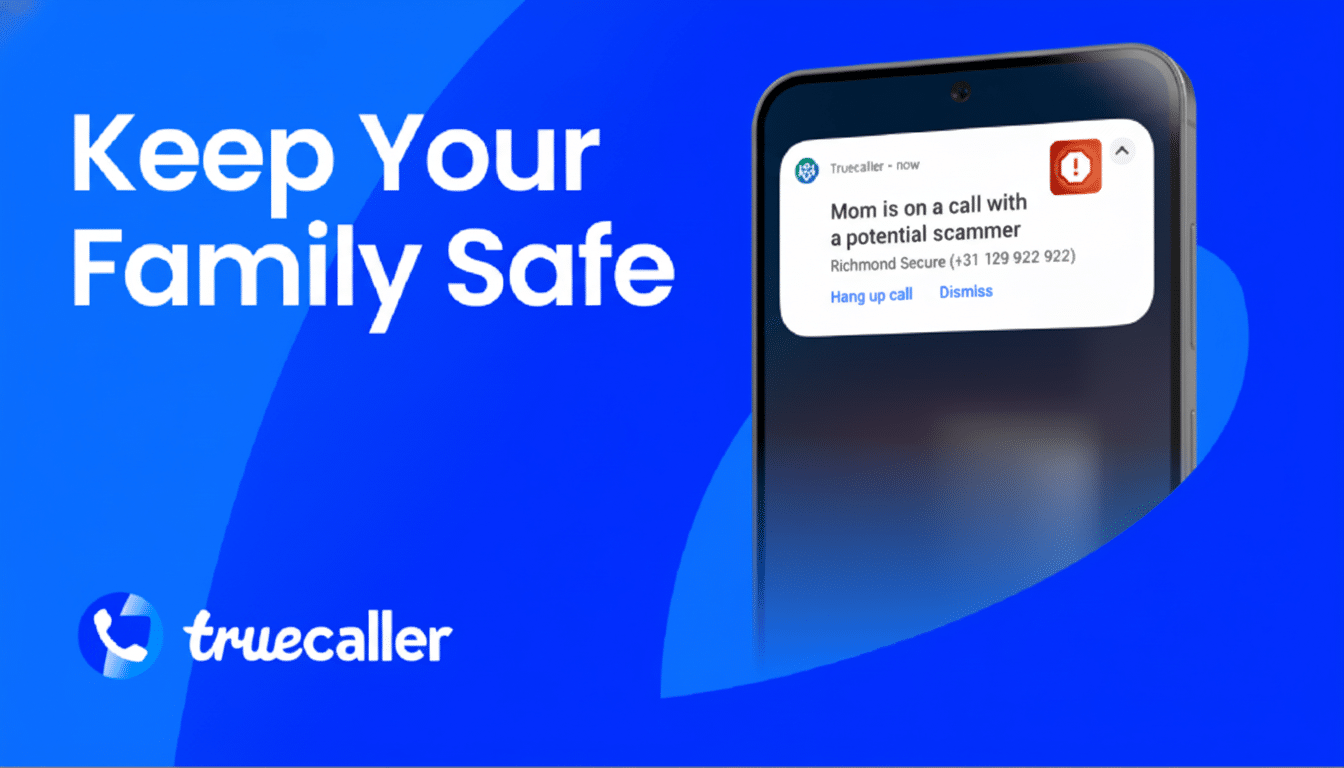
In an era where phone-based fraud is becoming increasingly sophisticated, Truecaller is shifting its focus from individual protection to a collective defense model. The platform, which boasts over 450 million users, has launched a new “Family Assistant” feature designed to let tech-savvy users shield their less-experienced relatives from scammers in real-time.
Taking Control of Family Security
The core of this update is a group management system where one person acts as an admin for up to five members. This feature is entirely free, requiring no premium subscription.
When a group member receives a suspicious call, the admin receives an instant alert. If the admin suspects foul play, they can remotely terminate the call on behalf of the family member. While the feature was initially tested in markets like Sweden and Kenya, it is now rolling out globally, including in India—Truecaller’s largest and most critical market.
Android-Specific Perks and Privacy Safeguards
The functionality varies slightly depending on the device:
- Cross-Platform Alerts: Admins receive fraud alerts regardless of whether the family member uses iOS or Android.
- Remote Disconnection: The ability to actually hang up on a caller is currently exclusive to Android users.
- Safety Context: On Android, members can grant admins permission to see real-time status updates, such as battery levels, silent mode settings, or if the person is currently walking or driving. This helps admins avoid calling elderly relatives at inconvenient or unsafe times.
Truecaller emphasizes that this is not a surveillance tool. Admins cannot access private SMS logs or non-spam call histories, ensuring a balance between protection and personal privacy.
AI and the Fight Against “Digital Arrest”
With over 7.7 billion fraud calls identified last year, Truecaller is doubling down on AI. The company is developing tools to summarize fraud attempts and is testing a system that automatically disconnects calls when specific keywords—like “digital arrest” (a common tactic where scammers impersonate police)—are detected.
Navigating a Challenging Market
This feature launch comes at a volatile time for the company. Truecaller’s stock has plummeted by over 80% in the last year, with EBDITA dropping 49% as ad revenues decline.
Furthermore, the company faces regulatory pressure in India from the Caller Name Presentation (CNAP) system and new “SIM binding” policies. While Indian authorities aim to provide carrier-verified names for every caller, Truecaller argues its community-based reporting provides much deeper context than a simple name display ever could.