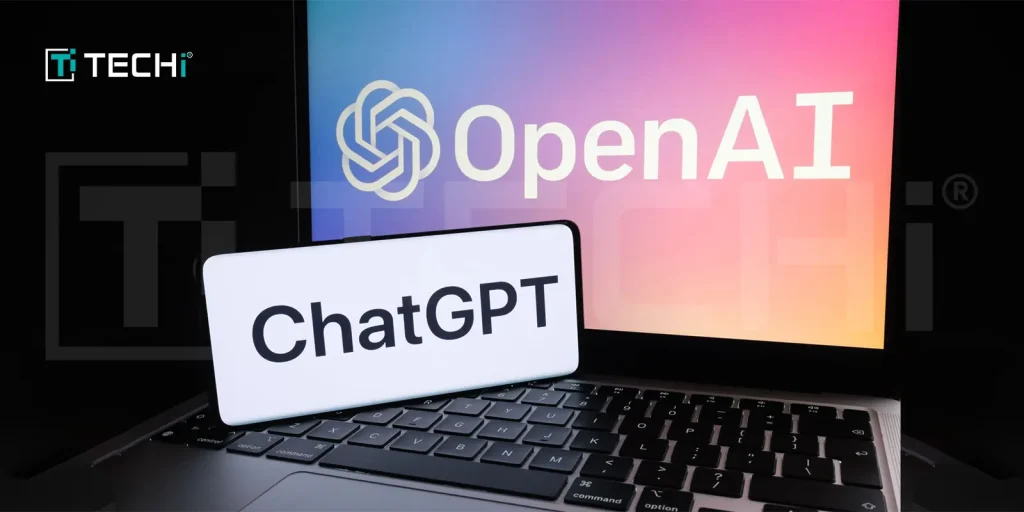
OpenAI finds itself at a critical crossroads. While it remains the most recognizable name in artificial intelligence, recent moves suggest a company aggressively trying to diversify its product suite and rehabilitate a bruised public image. On a recent episode of the Equity podcast, analysts dissected two specific acquisitions that signal OpenAI’s attempt to solve its most pressing existential problems: long-term monetization and narrative control.
The Talent Grab: Hiro and TBPN
OpenAI recently brought two very different companies into its fold. The first is Hiro, a personal finance startup that launched only two years ago. Most observers view this as a classic “acqui-hire,” intended to bring in serial entrepreneurs capable of building consumer apps with more “hooks” than a standard chatbot. The goal is clear: create a product sticky enough to justify higher subscription fees and move away from the cycle of endless, record-breaking private funding rounds.
The second, more unconventional move was the acquisition of TBPN, a business-focused media company. While OpenAI claims the outlet will maintain editorial independence, the timing is telling. By placing a media org under its public policy and communications umbrella, OpenAI appears to be attempting to shape its own story at a time when its reputation is under fire—most notably following a critical report by Ronan Farrow in The New Yorker.
The Anthropic Threat
OpenAI’s dominance is no longer a given. Anthropic has emerged as a formidable direct competitor, particularly in the enterprise sector. While ChatGPT remains the household name, there is growing momentum behind Anthropic’s tools, such as Claude Code.
Industry insiders at events like the HumanX conference have noted a shift in developer preference toward Claude’s coding capabilities. For OpenAI, this is a high-stakes battle; the enterprise and programming markets represent the most viable path toward a sustainable, profitable business model.
Searching for Sustainability
The core question hanging over OpenAI is whether it can transition from a subsidized research lab into a functional, self-sustaining enterprise. By experimenting with personal finance and media, the company is signaling that it knows the current “chatbot-only” model may not be enough to stay ahead of rivals who are quickly finding their stride in the lucrative world of enterprise AI.