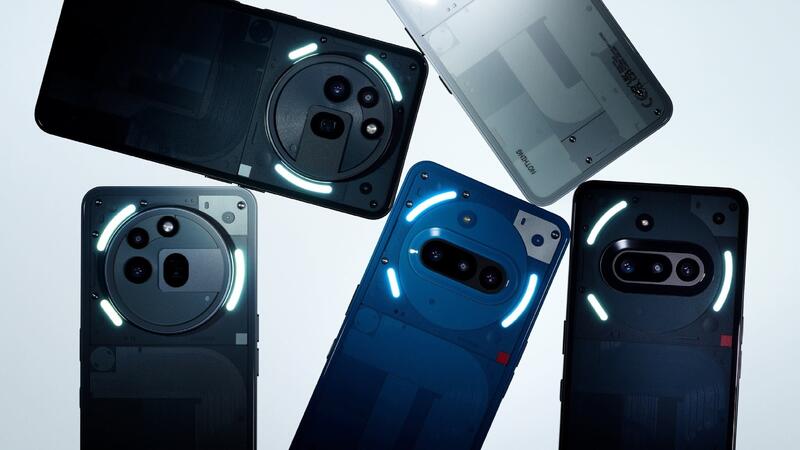
Carl Pei, the co-founder and CEO of Nothing, believes we are nearing the end of the smartphone app as we know it. Speaking at the SXSW conference in Austin, Pei delivered a blunt warning to developers and founders: if your core value lies solely in a traditional app interface, your business model is on the verge of disruption.
The “Old-School” Logic of Modern Phones
Pei argues that despite massive hardware leaps, the user experience of a modern smartphone is stuck in the past. We are still using the same basic architecture found in 20-year-old PDAs: lock screens, home screens, and a central store for downloading individual software packages.
This fragmentation makes simple tasks unnecessarily complex. Pei uses the example of grabbing coffee with a friend—an “intention” that currently requires navigating four or more separate apps for messaging, scheduling, navigation, and transportation. To Pei, this manual hopping between full-screen interfaces is a hurdle that technology should have cleared by now.
Beyond Commands: Proactive Intelligence
Nothing is betting on a future where AI agents replace manual navigation. This vision, which helped the company secure a $200 million Series C funding round, moves through several stages of evolution:
- Reactive Tasks: Simple commands like booking a hotel or flight. Pei dismisses this as the “boring” first step that some companies are already testing.
- Predictive Nudges: AI that learns your long-term goals. For instance, if you want to be healthier, the device provides proactive suggestions to help you stay on track.
- Intent-Based Execution: A system that knows the user so well it can execute complex tasks without being prompted, utilizing a memory capability similar to the features found in ChatGPT.
A New Kind of Interface
The most significant shift will be in how software is built. Pei suggests that future interfaces won’t be designed for human fingers to tap and swipe through menus. Instead, developers will need to create interfaces that AI agents can navigate seamlessly and frictionlessly.
While apps aren’t disappearing tomorrow—Nothing’s own operating system still supports “vibe coding” for mini-apps—the long-term goal is a frictionless environment where the AI handles the digital heavy lifting, allowing the “app” to exist purely as a backend tool for the agent.