
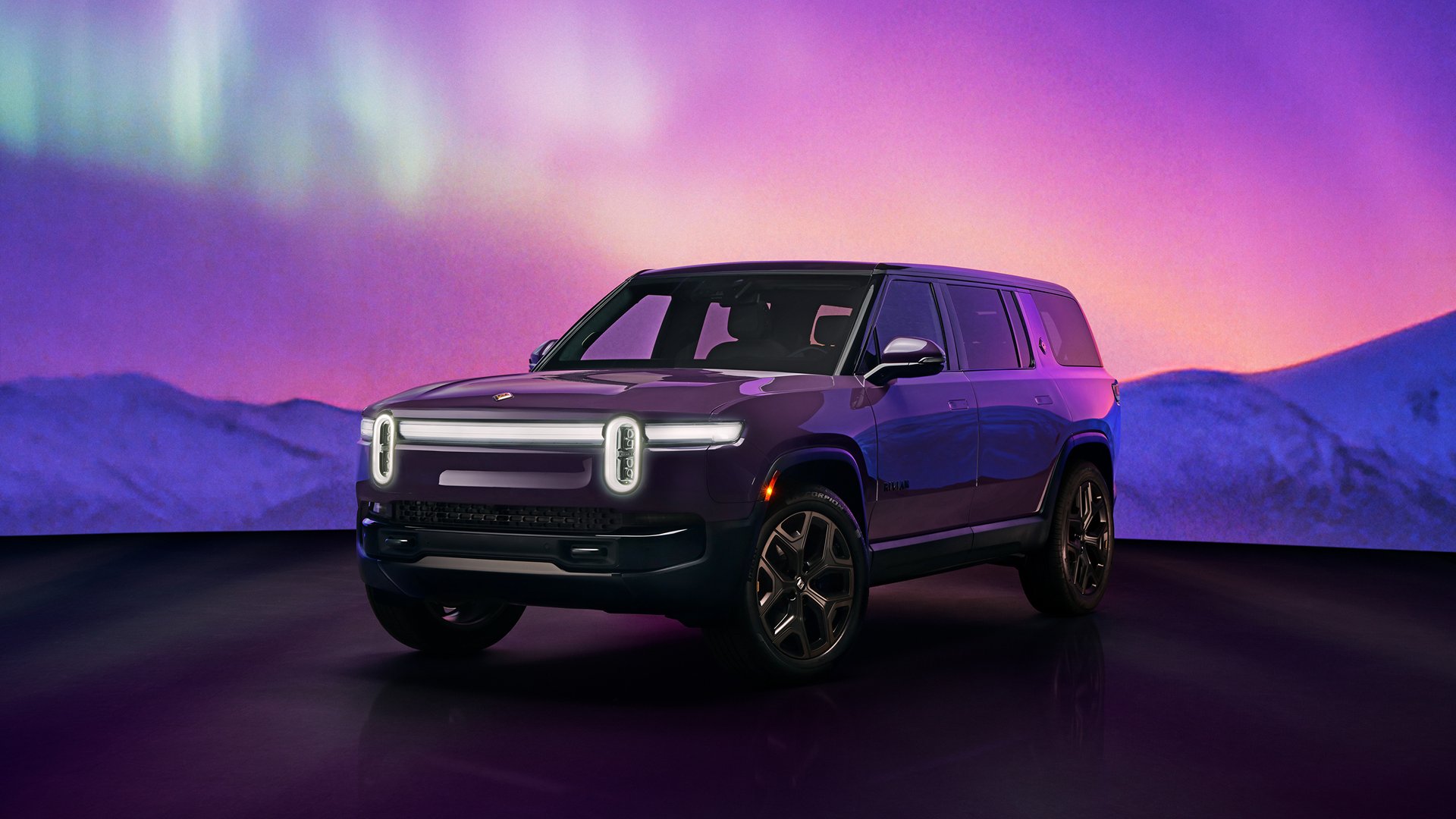
Rivian has officially shifted its financial roadmap, prioritizing long-term self-driving dominance over its previously stated 2027 profitability goal. In a recent disclosure, the electric vehicle maker revealed that it no longer expects to be EBITDA positive by next year, citing a massive surge in research and development spending dedicated to artificial intelligence and autonomous technology.
The Cost of Innovation
Between its founding in 2009 and the end of 2025, Rivian has recorded total net losses of $27 billion. While the company once signaled that the launch of its mid-sized R2 SUV would tip the scales toward profit, the financial landscape has grown more complex. Several external factors have intensified the pressure, including:
- The discontinuation of federal EV tax credits.
- A decrease in the sale of regulatory credits to other manufacturers.
- Increased manufacturing costs driven by new trade tariffs.
Despite these headwinds, CEO RJ Scaringe has identified autonomy as the company’s primary R&D focus. In 2025 alone, the company spent $1.7 billion on development, a figure expected to rise as it nears the production of the R2 and the construction of its new factory in Georgia.
A High-Stakes Bet on AI
Rivian is not just building cars; it is building a proprietary “large driving model.” To power this software, the company has designed its own custom processors and an “autonomy computer.” The ultimate goal is to achieve “personal L4” autonomy—the industry standard for vehicles that can operate without human intervention in specific environments. Rivian hopes to introduce “hands-off, eyes-off” driving capabilities as early as next year.
The Uber Partnership
Crucial to this strategy is a new collaboration with Uber. The ride-hailing leader has committed to an investment that could reach $1.25 billion, aimed at developing specialized robotaxi versions of the R2 SUV. While the partnership could eventually see 50,000 Rivian vehicles on the Uber network, the deal is starting with an initial $300 million investment and a 10,000-unit order.
As the company prepares for the TechCrunch Founder Summit 2026 and other industry milestones, all eyes remain on whether this pivot to autonomy will secure Rivian’s place in the future of transportation or further delay its financial recovery.