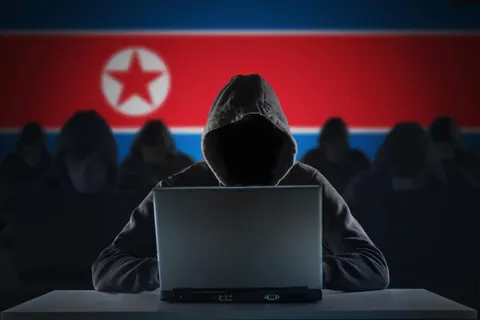
The rise of remote work has simplified global hiring, but it has also opened a dangerous door for state-sponsored deception. For years, North Korean operatives have successfully infiltrated Western companies by posing as remote IT professionals. Using stolen identities, fabricated resumes, and sometimes the help of American collaborators, these workers funnel salaries back to the Kim Jong Un regime to fund its sanctioned nuclear weapons program.
A Viral Confrontation
While the threat is well-documented, a video recently shared on X offers a rare, real-time look at how recruiters are fighting back. In the clip, an interviewer abruptly asks a job applicant to repeat a specific, derogatory phrase: “Kim Jong Un is a fat ugly pig.”
The reaction is immediate. The applicant becomes visibly distressed, claims not to understand the request, and quickly terminates the video call. This “loyalty test” exploits a fundamental reality of life under the DPRK regime: insulting the Supreme Leader is a severe crime that can result in harsh punishment, making it a psychological barrier most state-sponsored workers are unwilling to cross.
Why This Filter Works—And Where It Fails
This unconventional screening method serves as a high-stakes filter for several reasons:
- Legal Consequences: For workers tied to the regime, the fear of state retribution outweighs the need to secure a job.
- Cultural Conditioning: Deep-seated indoctrination regarding the Kim family makes such insults unthinkable for many.
- Immediate Verification: Unlike technical tests that can be faked, this requires an immediate, personal response.
The Limits of the Strategy
Despite its current effectiveness, experts warn it is not a foolproof solution. Many North Korean IT workers operate out of China or Russia, where they may face less direct supervision. In these cases, a worker might be willing to comply with the request to maintain their cover.
As North Korea continues to refine its tactics—including the recent hijack of major open-source projects—companies must remain vigilant. While a verbal insult might catch an impostor today, long-term security requires more robust identity verification.