
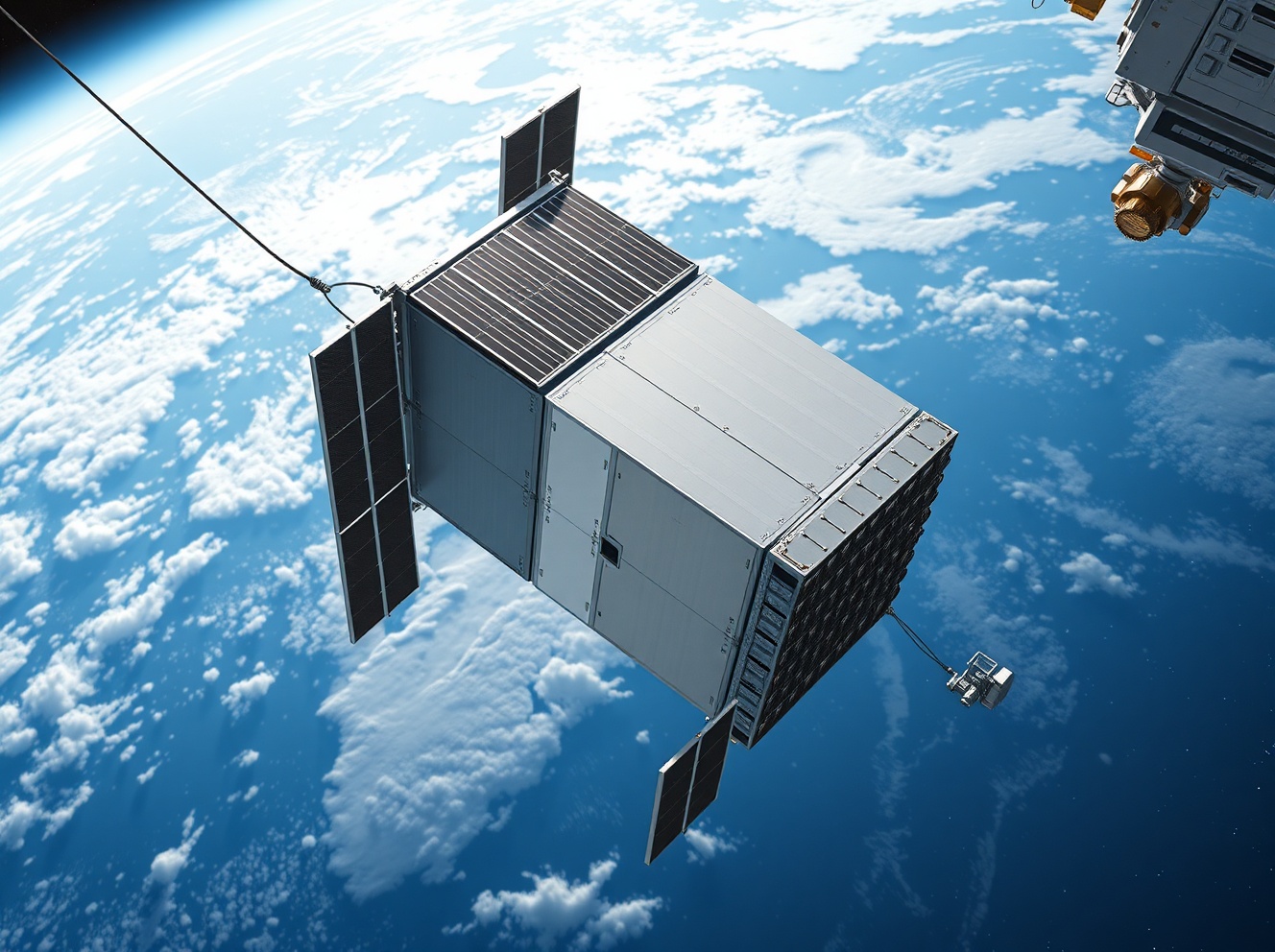
SpaceX is reportedly preparing for a massive public debut, filing confidential paperwork for an IPO that targets a staggering $1.75 trillion valuation. To justify such a monumental price tag, CEO Elon Musk is pivoting toward a futuristic revenue stream: orbital data centers.
While the concept sounds like science fiction, it is becoming a central pillar of the company’s long-term strategy. As discussed on the TechCrunch Equity podcast, this shift isn’t just about innovation—it’s about bypassing the terrestrial hurdles that currently plague the tech industry.
The Regulatory Escape Velocity
On Earth, building a data center is an increasingly difficult feat. Developers face significant “red tape,” including local opposition, environmental concerns, and power grid constraints. In many regions, the social and political challenges of building massive compute hubs have become more daunting than the engineering itself.
By moving data processing into orbit, SpaceX and its competitors hope to trade bureaucratic headaches for physics challenges. While managing heat and radiation in space is difficult, the vacuum of orbit offers a “blank slate” free from local zoning laws and land-use protests.
A Crowded Celestial Market
SpaceX isn’t the only player eyeing the stars for compute power. The industry is seeing a rapid influx of capital:
- Startups: The company formerly known as Starcloud recently achieved unicorn status after raising $170 million to build orbital infrastructure.
- Established Rivals: Jeff Bezos is leveraging Amazon’s Kuiper and Blue Origin to develop a competing satellite network capable of similar feats.
Despite the hype, experts like Tim Fernholz note that the physics of space remain a major constraint. Orbital data centers will likely supplement—rather than replace—Earth-bound facilities, acting as a specialized niche for specific high-speed or low-latency tasks.
The SpaceX Flywheel
What sets SpaceX apart is its vertical integration. As a dominant launch provider, the company can launch its own data centers at a fraction of the cost its competitors pay. Every satellite deployed not only expands the Starlink network but also generates internal revenue for SpaceX’s launch business.
This “visionary” approach allows Musk to sell investors on a grand future. By framing SpaceX as the essential infrastructure for the next generation of AI and data, the company can maintain a valuation based on future potential rather than current profits. For now, the goal is to keep the momentum going until the engineering finally catches up with the ambition.