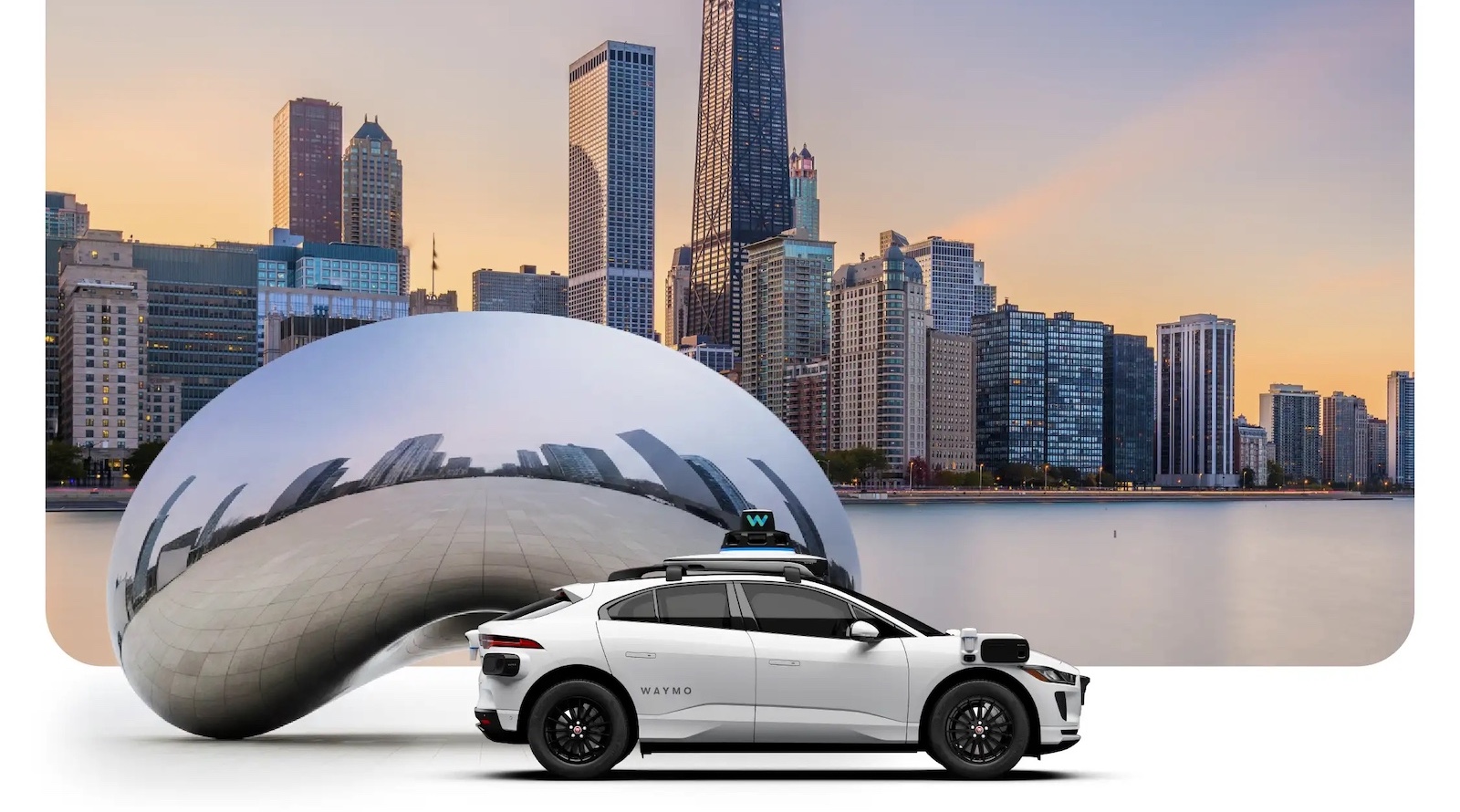
Waymo is accelerating its mission to dominate the autonomous vehicle landscape, officially launching testing operations in Chicago and Charlotte. This expansion marks a pivotal step in the Alphabet-owned company’s strategy to prove its technology can handle diverse environments, from sun-drenched suburbs to grueling metropolitan winters.
The Road to Autonomy: Mapping and Data Collection
The rollout begins immediately with manual mapping and early data collection. Waymo’s standardized entry into any new market follows a rigorous, multi-month phase where human-driven vehicles traverse local streets to digest traffic patterns, unique road configurations, and “edge cases.” Only after this digital foundation is laid does the company transition to autonomous testing, eventually leading to fully driverless commercial operations.
A Tale of Two Cities
The selection of Chicago and Charlotte offers a strategic contrast in operational challenges:
- Charlotte: With its suburban layout and generally mild climate, Charlotte represents a more straightforward use case for the Waymo Driver.
- Chicago: The “Windy City” serves as a high-stakes stress test. Between its dense urban congestion and notoriously harsh winters, succeeding here would demonstrate that Waymo’s system is truly scalable nationwide. This move is particularly significant after New York recently sidelined a proposal for commercial robotaxi pilots.
Scaling a $16 Billion Vision
This expansion comes on the heels of a massive $16 billion funding round aimed at fueling international growth. Waymo’s momentum is visible across the United States; just this week, the company initiated commercial driverless services in Dallas, Houston, San Antonio, and Orlando.
With these additions, Waymo now maintains a commercial presence in 10 cities. However, the roadmap doesn’t stop there. Beyond the current work in Illinois and North Carolina, Waymo is actively testing or planning launches in Washington, D.C., Denver, and London.
By tackling the complexities of Chicago, the company aims to silence skeptics regarding the performance of autonomous sensors in snow and heavy traffic, positioning itself as the definitive leader in the global race for driverless mobility.