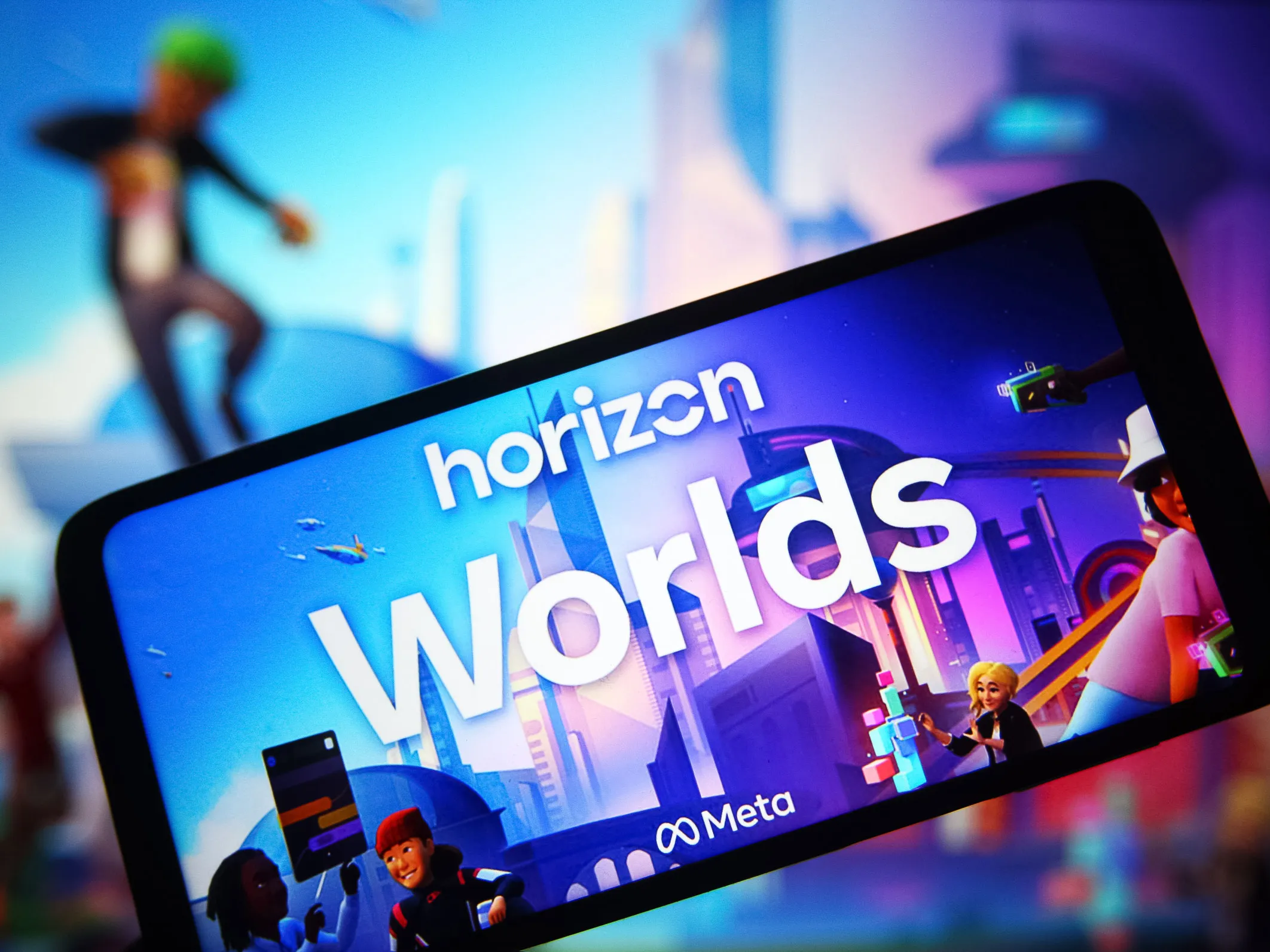
In a sudden shift of strategy, Meta has decided to maintain virtual reality support for Horizon Worlds, reversing a previous plan to sunset the app on its own headsets. Meta’s CTO, Andrew Bosworth, confirmed the change during an Instagram Q&A, noting that the decision to keep the app functional on Quest hardware was made just as the company was preparing to pivot the platform toward web and mobile environments.
A Costly Vision Under Pressure
The initial plan to move Horizon Worlds away from VR was a stark admission of the platform’s struggles. Despite being the centerpiece of Mark Zuckerberg’s metaverse vision, the app has failed to gain significant traction among headset owners. This lack of engagement is reflected in the staggering financial toll on Reality Labs, the division responsible for VR, AR, and AI research.
Since Meta’s high-profile rebrand in 2021, Reality Labs has burned through $73 billion. To put that figure in perspective, a person would need to spend $1 million every single day for 200 years to reach that amount. The hardware market isn’t helping; IDC reports that Quest sales plummeted 16% between 2024 and 2025. Even competitors are feeling the chill, with Apple reportedly scaling back production of its Vision Pro due to tepid demand.
The Pivot to Mobile
While VR remains the “soul” of the project, Meta is chasing “velocity” on smartphones. Bosworth admitted that developing for both VR and mobile simultaneously slows the team down. By prioritizing mobile, Meta aims to reach a broader audience where the product-market fit appears stronger.
Data from Appfigures supports this shift:
- Total Downloads: 45 million across iOS and Google Play.
- Growth: 1.5 million downloads in early 2026, a 53% year-over-year increase.
- Revenue Gap: Despite the downloads, consumer spending totals a mere $1.1 million—a rounding error compared to Meta’s multi-billion dollar investment.
Internal Turmoil and Uncertainty
The decision to keep VR support comes amidst significant internal instability. Meta cut over 1,500 positions within Reality Labs in early 2024 and shuttered several internal game studios. Rumors of further layoffs potentially impacting 20% of the company continue to circulate. While the few dedicated VR users of Horizon Worlds can breathe a sigh of relief for now, the platform’s long-term survival likely depends on whether it can finally turn mobile engagement into a sustainable business model.