
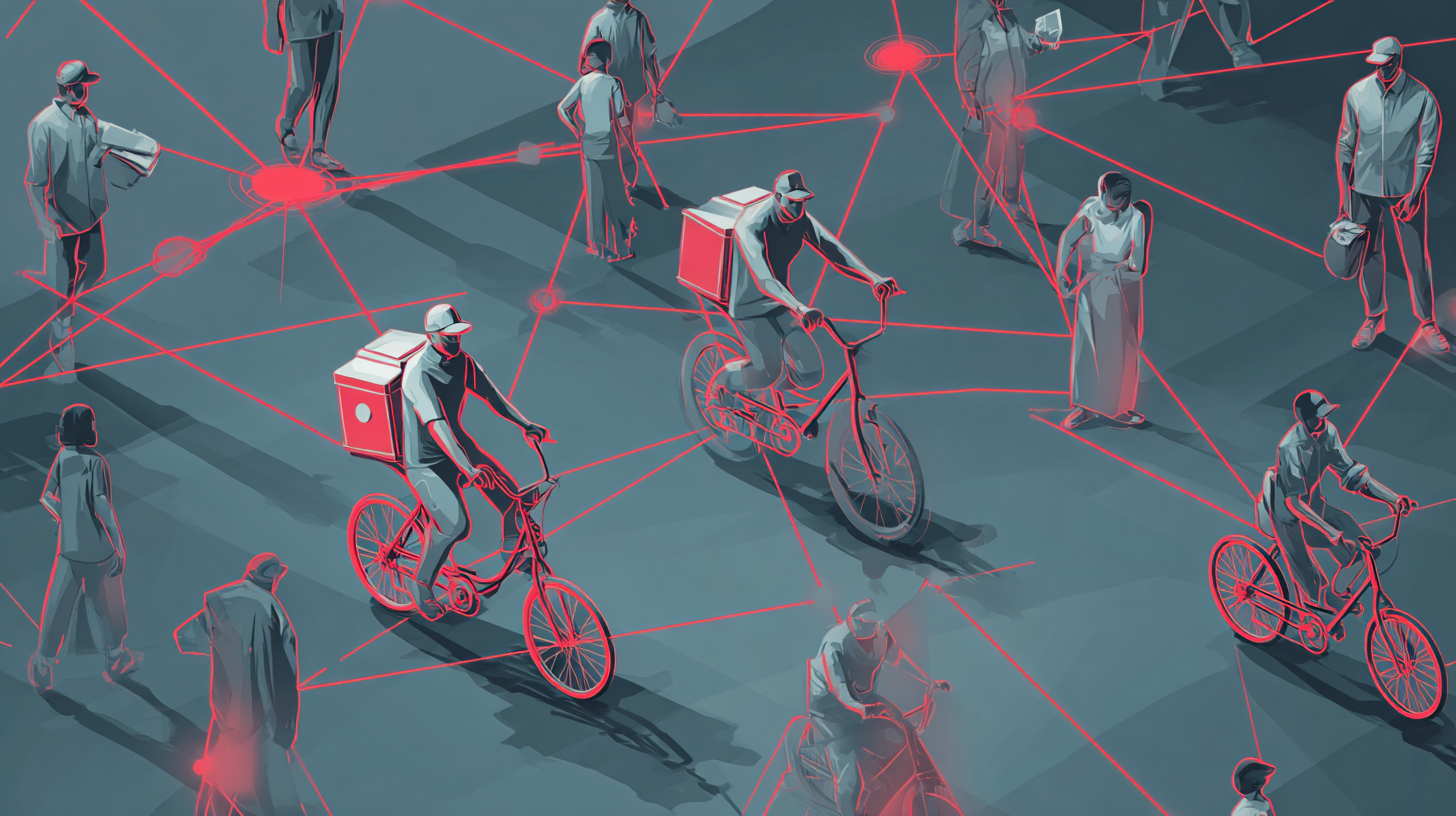
DoorDash is evolving its business model to bridge the gap between the physical world and artificial intelligence. The company recently unveiled Tasks, a new platform that pays its delivery couriers to perform various assignments designed to train AI models and improve robotic systems. By leveraging its network of over 8 million “Dashers,” the company aims to provide a massive stream of real-world data to tech developers and retail partners.
A Dual Approach to Data Collection
The initiative is rolling out through two distinct channels. First, a standalone Tasks app allows workers to sign up for specialized data-gathering jobs. Second, DoorDash is integrating “Tasks” directly into the existing Dasher app, allowing couriers to supplement their delivery income with quick, location-based assignments.
From Dishwashing to Self-Driving Cars
The work involved goes far beyond typical courier duties. Dashers may be asked to:
- Record everyday actions: Such as wearing a body camera while washing dishes to help AI understand human movement.
- Language data: Recording speech in different languages to improve voice recognition.
- Logistical mapping: Taking photos of hotel entrances or restaurant menus to improve delivery accuracy.
- Robotic assistance: DoorDash’s partnership with Waymo even includes tasks where couriers are paid to close the doors of autonomous vehicles.
Powering the AI Ecosystem
The data collected isn’t just for internal use. While DoorDash will use the footage to refine its own systems, the company also shares this information with partners in the insurance, hospitality, and retail sectors. According to Ethan Beatty, General Manager of DoorDash Tasks, the goal is to “digitize the physical world” by providing businesses with ground-level insights that were previously difficult to capture at scale.
Market Context and Availability
DoorDash is not alone in this shift toward “human-in-the-loop” AI training. Late last year, Uber launched a similar initiative, inviting drivers to complete small digital jobs to help train its machine-learning models.
Currently, the Tasks platform is available in select U.S. markets. However, it is notably absent from California, New York City, Seattle, and Colorado, likely due to complex local labor and gig-work regulations. DoorDash intends to expand the program to more regions and introduce a wider variety of task types as the platform matures.