
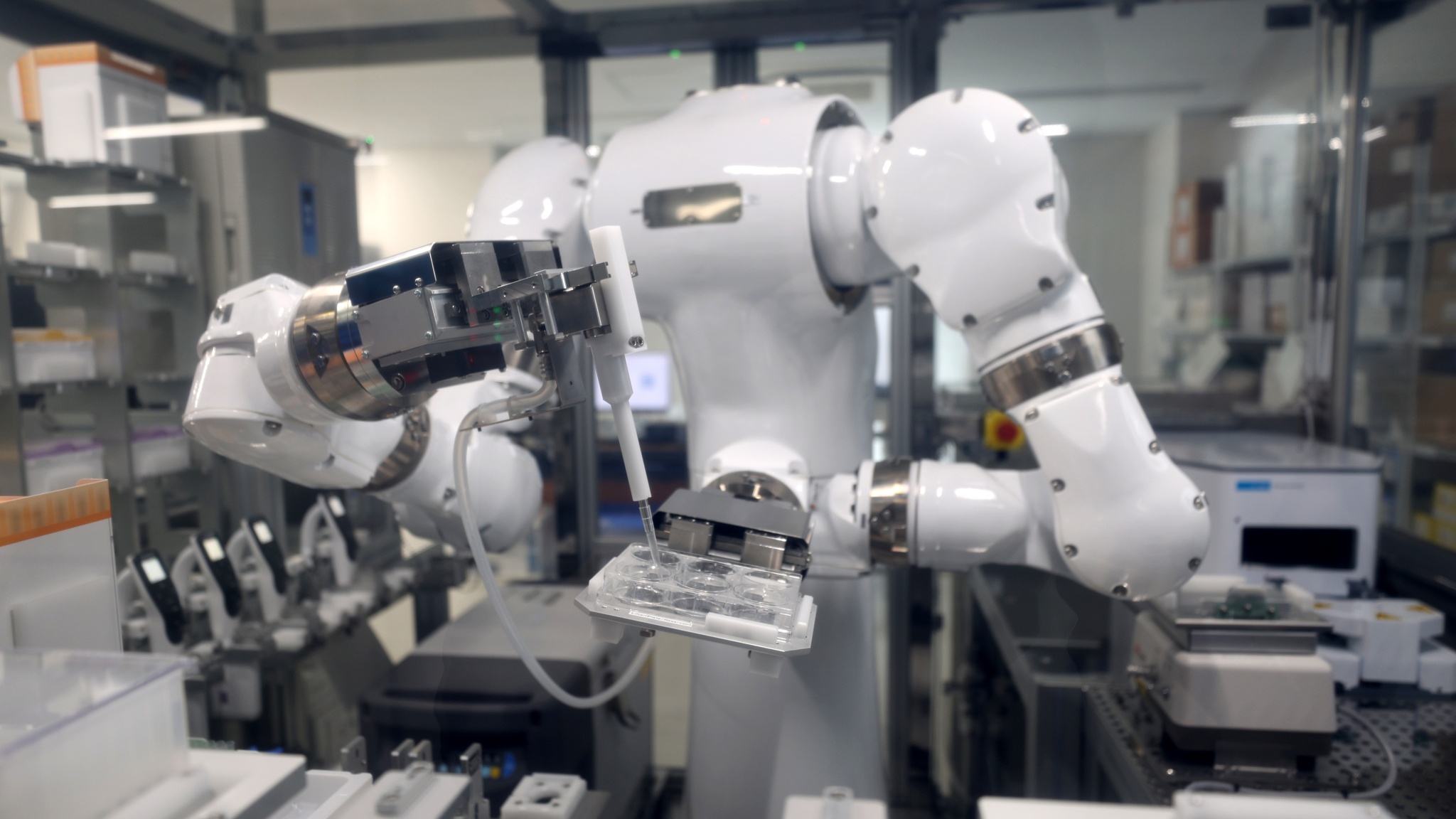
While much of the global conversation around AI centers on job displacement, Japan is rewriting the narrative. For the world’s fourth-largest economy, robots aren’t competitors—they are a lifeline. Faced with a relentless demographic crisis, Japan is pivoting toward “physical AI” to ensure industrial survival rather than just seeking incremental efficiency.
A Demographic Mandate for Automation
Japan’s push into advanced robotics is born of necessity. The nation’s population has declined for 14 consecutive years, and the working-age demographic now accounts for just 59.6% of the total population. Projections suggest a loss of nearly 15 million workers over the next two decades.
In this climate, physical AI—the integration of machine learning with hardware—is being deployed as a “continuity tool.” From warehouses to critical infrastructure, automation is filling roles that simply have no human applicants. This shift has caught the attention of major investment arms like Woven Capital and Global Brain, which see labor shortages as the primary catalyst for the next generation of industrial tech.
Leveraging a Legacy of Hardware Excellence
Japan enters this new era from a position of strength. In 2022, Japanese manufacturers controlled approximately 70% of the global industrial robotics market. The country’s mastery of “monozukuri” (the art of making things) provides a strategic moat in high-precision components like actuators and sensors.
However, the challenge lies in the software layer. While the U.S. and China lead in full-stack systems and service-layer AI, Japanese firms are now focusing on integrating AI models deeply with their world-class hardware. Companies like Mujin are developing software platforms that allow existing industrial robots to handle complex logistics tasks autonomously, while WHILL is redefining personal mobility through autonomous electric vehicles.
The National Strategy and Hybrid Ecosystems
The Japanese government is backing this transition with significant capital. Under the leadership of Prime Minister Sanae Takaichi, the state has committed approximately $6.3 billion to bolster AI capabilities and robotics integration. The Ministry of Economy, Trade and Industry (METI) has set an ambitious target: capturing 30% of the global physical AI market by 2040.
This evolution is fostering a unique hybrid ecosystem. Unlike the “winner-take-all” dynamics often seen in Silicon Valley, Japan’s model relies on collaboration between legacy giants—such as Toyota and Mitsubishi Electric—and agile startups. While incumbents provide scale and reliability, startups like Terra Drone are driving innovation in specialized sectors like defense and infrastructure inspection.
As these technologies move from pilot programs to full-scale deployment in data centers and factories, Japan is proving that the future of robotics isn’t about replacing the workforce, but about sustaining a society. For those interested in the cutting edge of these developments, events like TechCrunch Disrupt 2026 continue to serve as a vital stage for these market-defining innovations.