Google Transforms Android with Agentic Gemini AI and Custom “Vibe-Coded” Widgets
Google is pushing the boundaries of mobile intelligence. At its recent Android Show: I/O Edition, the company unveiled a suite of Gemini Intelligence features designed to turn your smartphone into a proactive agent capable of handling complex, multi-step workflows.
The Rise of Agentic AI
The most significant shift is Gemini’s transition into a true “agent.” Building on capabilities teased earlier this year, the assistant can now execute tasks across multiple applications autonomously. For instance, Gemini can now pull a grocery list from a notes app and automatically populate a shopping cart in a separate delivery app.
By long-pressing the power button, the AI analyzes the current screen for context to understand the user’s intent. While it handles the technical execution, Google maintains a “human-in-the-loop” security model, requiring a final manual confirmation before any checkouts or financial transactions are completed.
Smarter Browsing and Automated Forms
Android’s integration with the web is also receiving a major boost. An experimental auto-browsing feature that can book appointments is now moving to a wider rollout. Additionally, Gemini in Chrome will arrive on Android in late June, allowing users to summarize long-form articles or ask specific questions about the content of a webpage.
To streamline tedious data entry, Gemini can now leverage Personal Intelligence to fill out digital forms on your behalf. This feature is strictly opt-in, and users can manage or disable it at any time through their privacy settings.
Creative Input: Rambler and Custom Widgets
Google is also reimagining how users interact with their devices through two new creative tools:
- Gboard Rambler: A multimodal dictation tool that transcribes speech while automatically stripping out filler words and formatting the text to match the user’s natural tone.
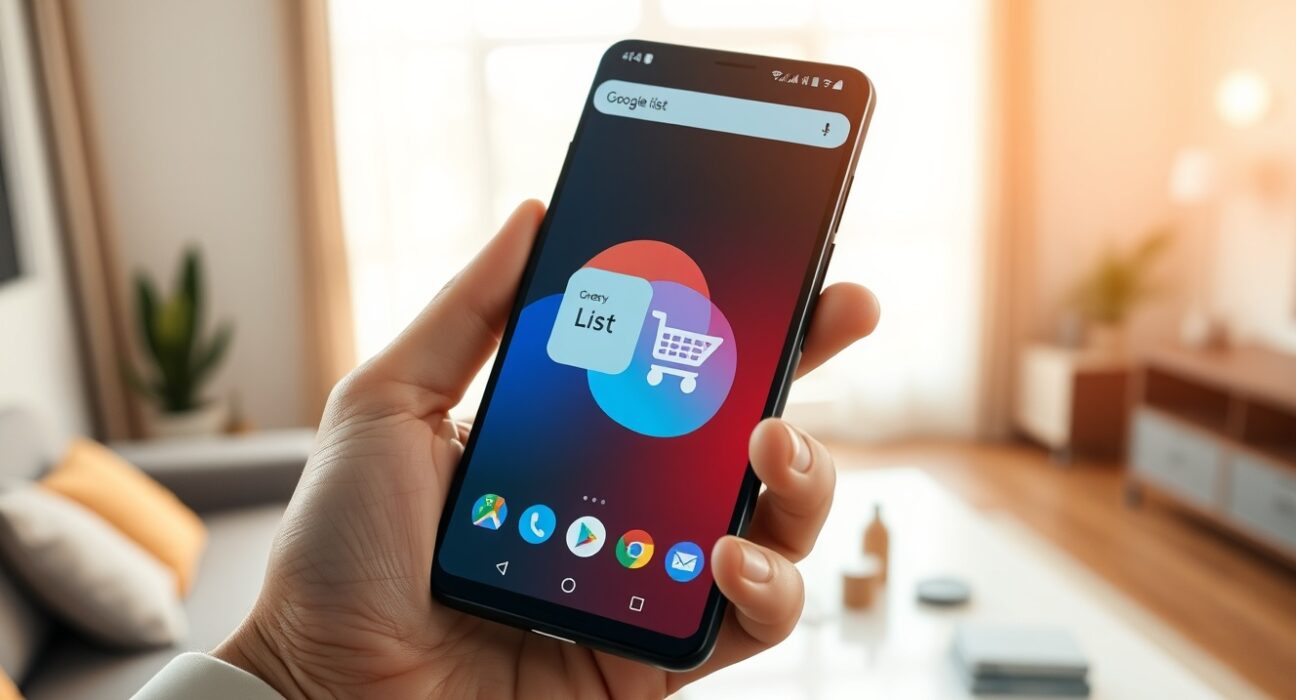
- Vibe-Coded Widgets: Following a design trend popularized by startups like Nothing, Android users can now build custom widgets using natural language. For example, a prompt like “Suggest three high-protein meal prep recipes every week” will generate a functional, personalized widget styled with Google’s Material 3 design language.
Availability
These AI upgrades will debut this summer on the latest Samsung Galaxy and Google Pixel handsets. A broader rollout to the wider Android ecosystem is scheduled for later this year.