
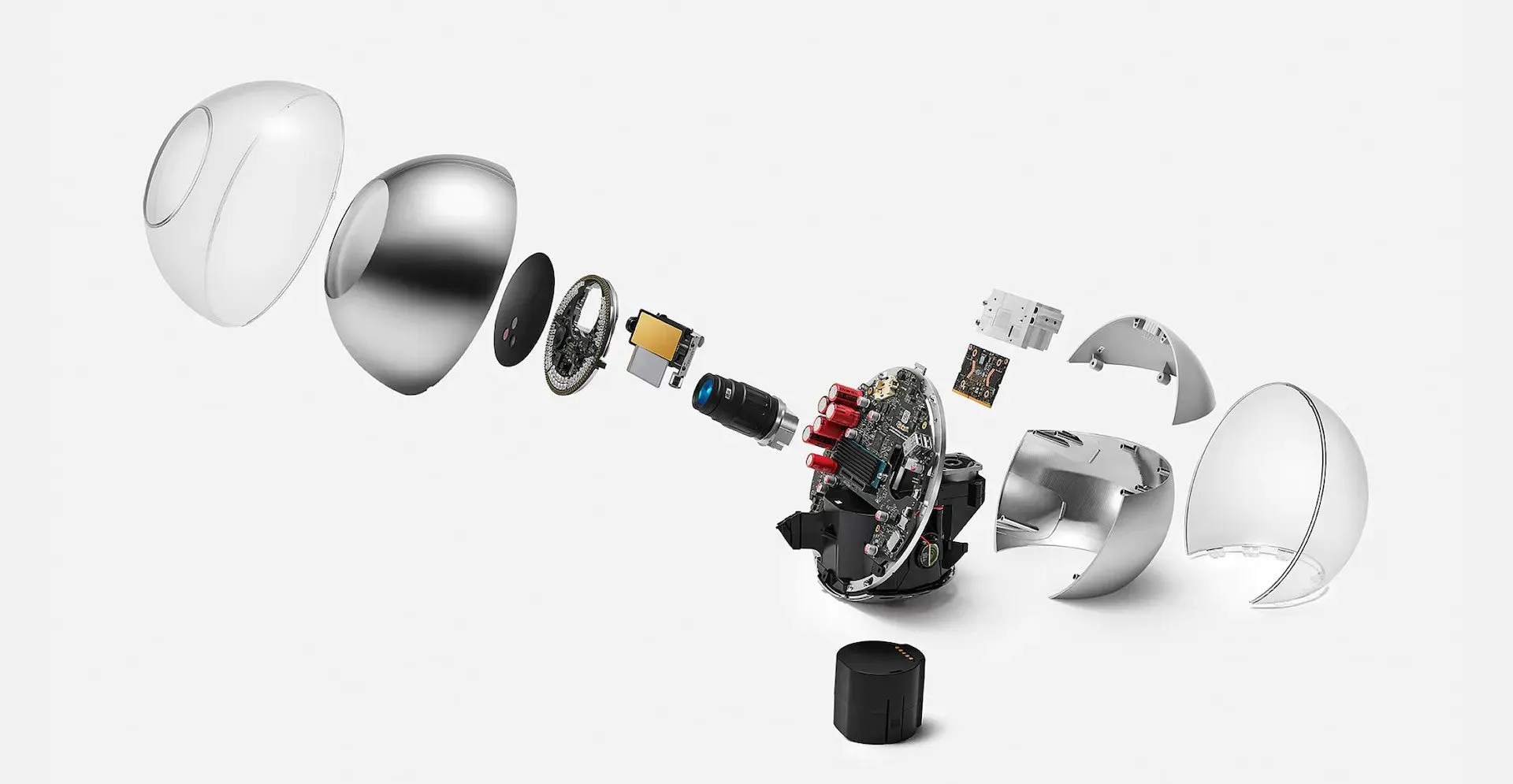
OpenAI is making a bold transition from a software-first research lab to a consumer electronics manufacturer. The company has reportedly assembled a team of more than 200 employees dedicated to developing a new family of AI-powered hardware, signaling an ambitious attempt to integrate its intelligence into the physical world.
The Product Roadmap: Speakers and Beyond
The first device expected from this hardware push is an AI-integrated smart speaker. According to internal plans, the speaker is targeted for a price point between $200 and $300. However, consumers will have to wait, as the device is not expected to ship until February 2027 at the earliest.
Notably, the speaker will include a built-in camera. This addition is intended to give the AI visual awareness, allowing it to observe and interpret a user’s surroundings to provide more personalized and context-aware assistance. Beyond the speaker, OpenAI is also exploring:
- Smart Glasses: Aimed for mass production by 2028.
- Smart Lamps: Part of a broader ecosystem of ambient AI tools for the home.
Strategic Design and Acquisitions
OpenAI’s entry into the hardware sector was catalyzed by its $6.5 billion acquisition of io Products, a startup led by former Apple design chief Jony Ive. By bringing Ive’s design expertise in-house, OpenAI aims to capitalize on the growing demand for augmented reality and physical AI interfaces.
A Competitive AI Ecosystem
This move places OpenAI in direct competition with major tech players who are already established in the wearable and home automation markets. Meta has seen significant traction with its Ray-Ban smart glasses, while Google and Apple are also rumored to be developing their own AI-centric eyewear.
This hardware expansion is part of a massive long-term strategy. As OpenAI anticipates spending nearly $600 billion on compute through 2030, these physical devices represent a critical new frontier for the company to monetize its technology and embed its ecosystem into daily life.