
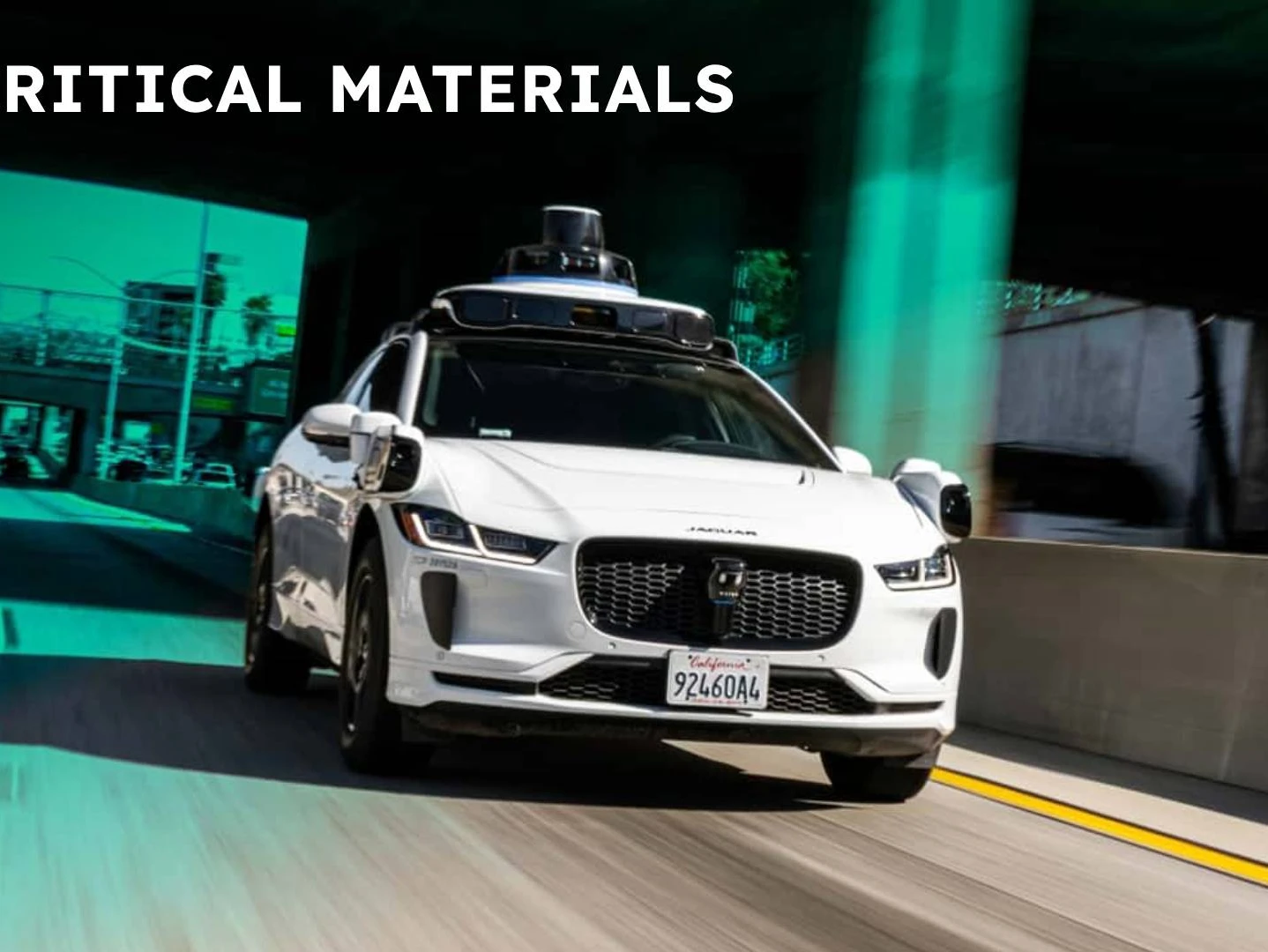
The curtain is being pulled back on the “magic” of autonomous driving. During a recent Senate hearing, Waymo Chief Safety Officer Mauricio Peña sparked debate by revealing that the company utilizes remote assistance agents based in the Philippines. This disclosure drew sharp criticism from Senator Ed Markey regarding the use of overseas workers for U.S. road safety.
The Reality of Remote Assistance
In a defensive follow-up letter, Waymo clarified the distinction between “remote driving” and “remote assistance.” The AI remains the driver; humans merely provide high-level guidance when the system faces uncertainty.
- The Scale: Waymo manages a fleet of 3,000 vehicles performing 400,000 weekly rides with only about 70 agents on duty at any given time.
- Safety Tiers: While basic guidance happens globally, “Event Response Teams” (ERTs)—who handle collisions and law enforcement—are exclusively U.S.-based.
Regulatory Roadblocks and Market Skepticism
Robotaxi expansion hit a wall in New York as Governor Kathy Hochul withdrew a proposal to legalize the technology outside NYC, citing a lack of legislative support. Meanwhile, consumer confidence in affordable EVs remains low; a recent poll suggests most readers expect the Rivian R2 to launch well above $60,000, despite the $50,000 target.
Turmoil and Tech at Lucid and Tesla
The EV sector continues to face headwinds. Lucid is laying off 12% of its workforce, even as its “Dream Drive” software shows significant technical improvement in lane-centering and driver monitoring. Tesla also faced a mixed week: it lost a bid to overturn a $243 million verdict in a fatal Autopilot crash trial but successfully protected its California manufacturing license by removing “Autopilot” from its state marketing.
Strategic Pivots and Funding
- Ford’s Low-Cost Bet: Ford is developing a $30,000 EV truck using “Formula 1 thinking” to rival Chinese competitors.
- Energy Storage: Redwood Materials is finding massive growth by pivoting battery recycling tech toward AI data center energy storage.
- Fresh Capital: Notable funding rounds include $300 million for used-car platform Kavak and $47 million for sustainable fuel producer LanzaJet.