The Cybersecurity and Infrastructure Security Agency (CISA) has issued a critical warning to organizations following a devastating cyberattack on Stryker, a major medical technology firm. The breach highlights a destructive trend in the threat landscape: the misuse of legitimate administrative tools to bypass traditional defenses and cause widespread operational chaos.
The Mass-Wipe Incident
In March 2026, Stryker confirmed it was facing a “global disruption” after hackers gained access to its internal Windows-based network. Unlike typical ransomware attacks that encrypt data for a payout, the attackers weaponized the company’s own endpoint management systems.
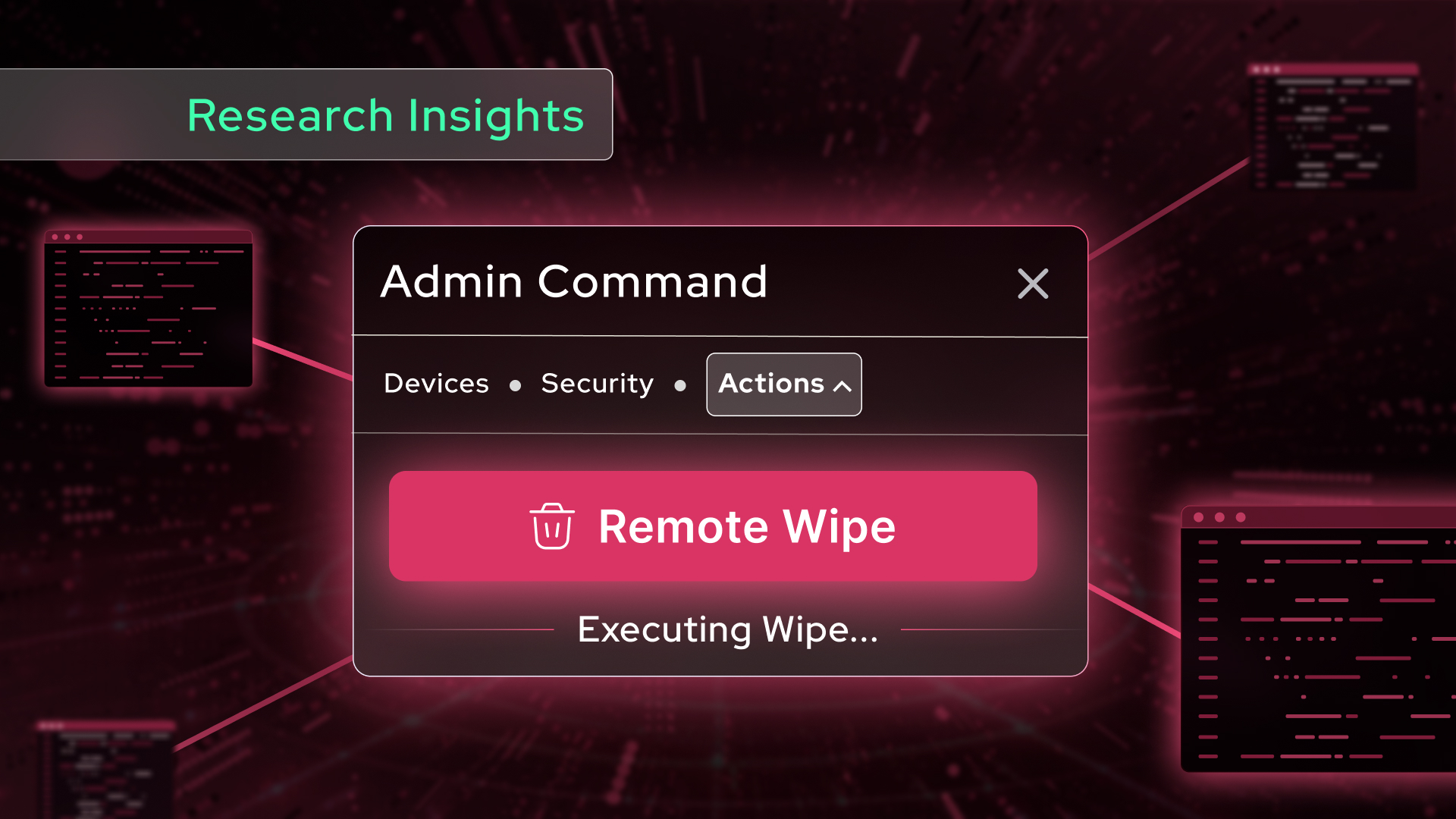
By infiltrating Microsoft Intune—a platform used to manage and secure mobile devices and laptops—the hackers remotely triggered a mass-wipe of tens of thousands of employee devices. This included company-issued hardware and personal phones connected to the corporate network, effectively erasing the digital tools of the entire workforce in an instant.
Motives and Operational Fallout
A pro-Iran hacktivist group known as Handala claimed responsibility for the attack, citing retaliation for U.S. military actions. While Stryker’s life-saving medical equipment remained operational, the company’s business infrastructure was crippled. Supply, ordering, and shipping systems were knocked offline, leading to a prolonged recovery process.
CISA’s Security Recommendations
In response to the breach, CISA is urging network administrators to implement stricter controls over high-privilege accounts. The agency’s primary recommendation is the enforcement of multi-party authorization for sensitive tasks. By requiring a second administrator to approve high-impact changes—such as wiping devices or altering global security policies—companies can prevent a single compromised credential from being used to execute a mass-deletion event.
Law Enforcement Response
The federal government has begun pushing back against the perpetrators. The FBI recently seized the website used by the Handala group, though the hackers previously claimed to have exfiltrated large amounts of data from Stryker’s network.
This incident serves as a stark reminder that securing the “keys to the kingdom”—the tools used to manage a global fleet of devices—is just as vital as defending against traditional malware. Organizations must ensure that their remote management dashboards are protected by more than just a password.