The AI Skills Gap: Why “Power Users” Are Pulling Ahead in a Shifting Labor Market
Despite widespread fears that artificial intelligence would immediately trigger a wave of unemployment, the current labor market remains surprisingly resilient. According to the latest economic research from Anthropic, the anticipated “AI apocalypse” for jobs hasn’t arrived—at least, not yet. However, a significant divide is opening up between those who have mastered these tools and those who are merely scratching the surface.
The Quiet Before the Shift
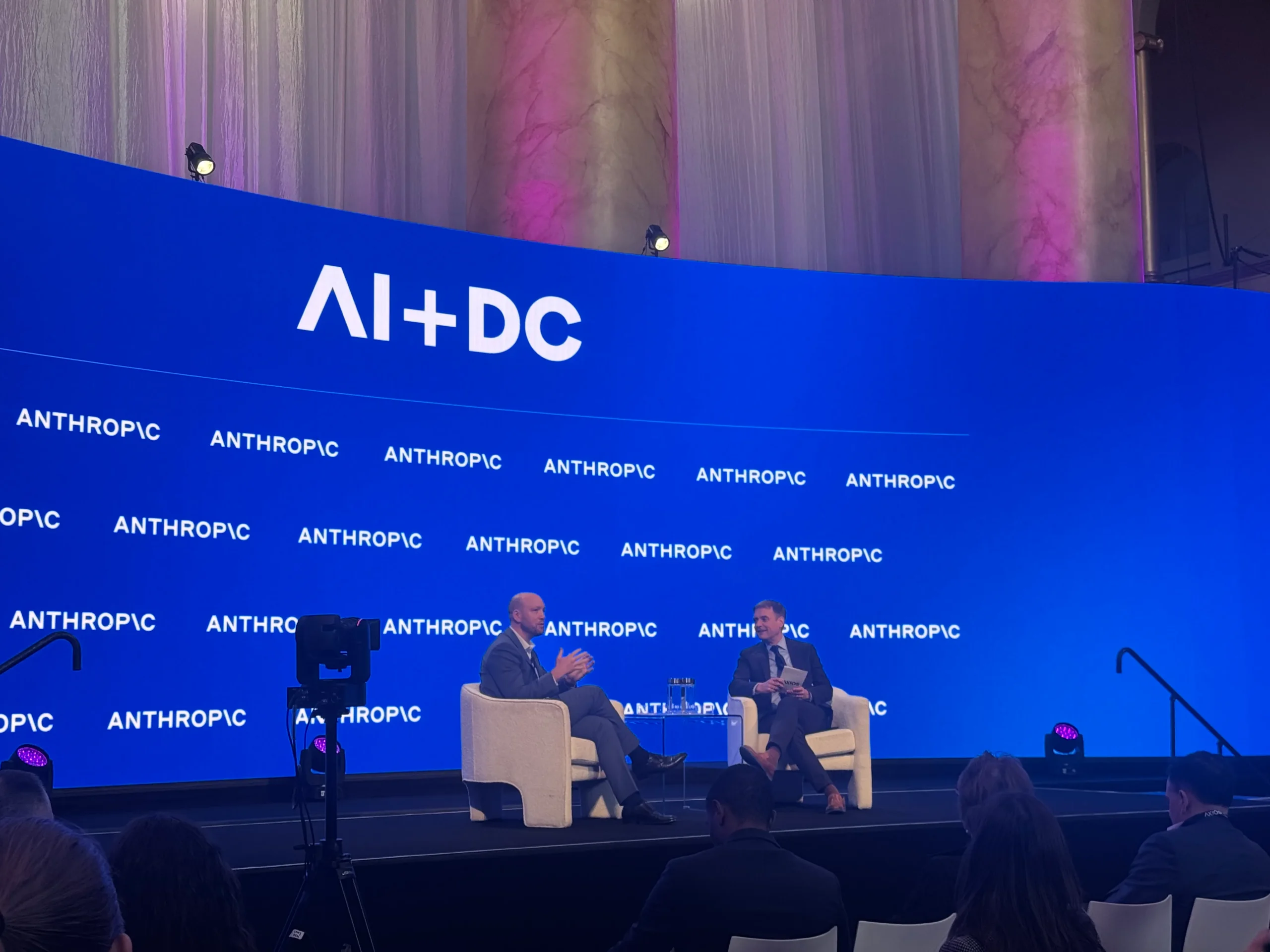
Speaking at the Axios AI Summit, Peter McCrory, Anthropic’s head of economics, noted that there is currently no material difference in unemployment rates between AI-exposed roles—such as software engineers and data entry clerks—and jobs requiring physical dexterity. While Claude and similar models are theoretically capable of handling most computer-based tasks, the data suggests that widespread displacement has not yet materialized in a statistically significant way.
A Looming Transition
This stability may be temporary. Anthropic CEO Dario Amodei has previously warned that the landscape could shift violently within the next five years. His projections suggest that AI could eventually displace up to half of all entry-level white-collar positions, potentially pushing global unemployment as high as 20%. To manage this, McCrory emphasizes the need for a robust monitoring framework to catch displacement effects as they happen, allowing for timely policy interventions.
The Rise of the AI Power User
The real story in the data is the emerging “skills gap.” Anthropic’s fifth economic impact report highlights that early adopters are extracting far more value from AI than newcomers. Rather than using AI for one-off tasks, these “power users” treat the technology as a “thought partner” for complex iteration and feedback.
This proficiency creates a competitive edge that is not evenly distributed. Currently, AI adoption is concentrated in high-income countries and among knowledge workers in specific urban hubs. Instead of acting as a great equalizer, AI usage is currently tilting toward those who already possess significant professional advantages.
Preparing for the Future of Work
As the technology diffuses through the economy, the ability to effectively integrate AI into daily workflows will become a primary differentiator for workers. For those looking to stay ahead of these trends, events like TechCrunch Disrupt 2026 and the TechCrunch Founder Summit provide essential venues for founders and professionals to navigate these rapid market shifts. The message is clear: the jobs are still here, but the way we do them is changing forever.