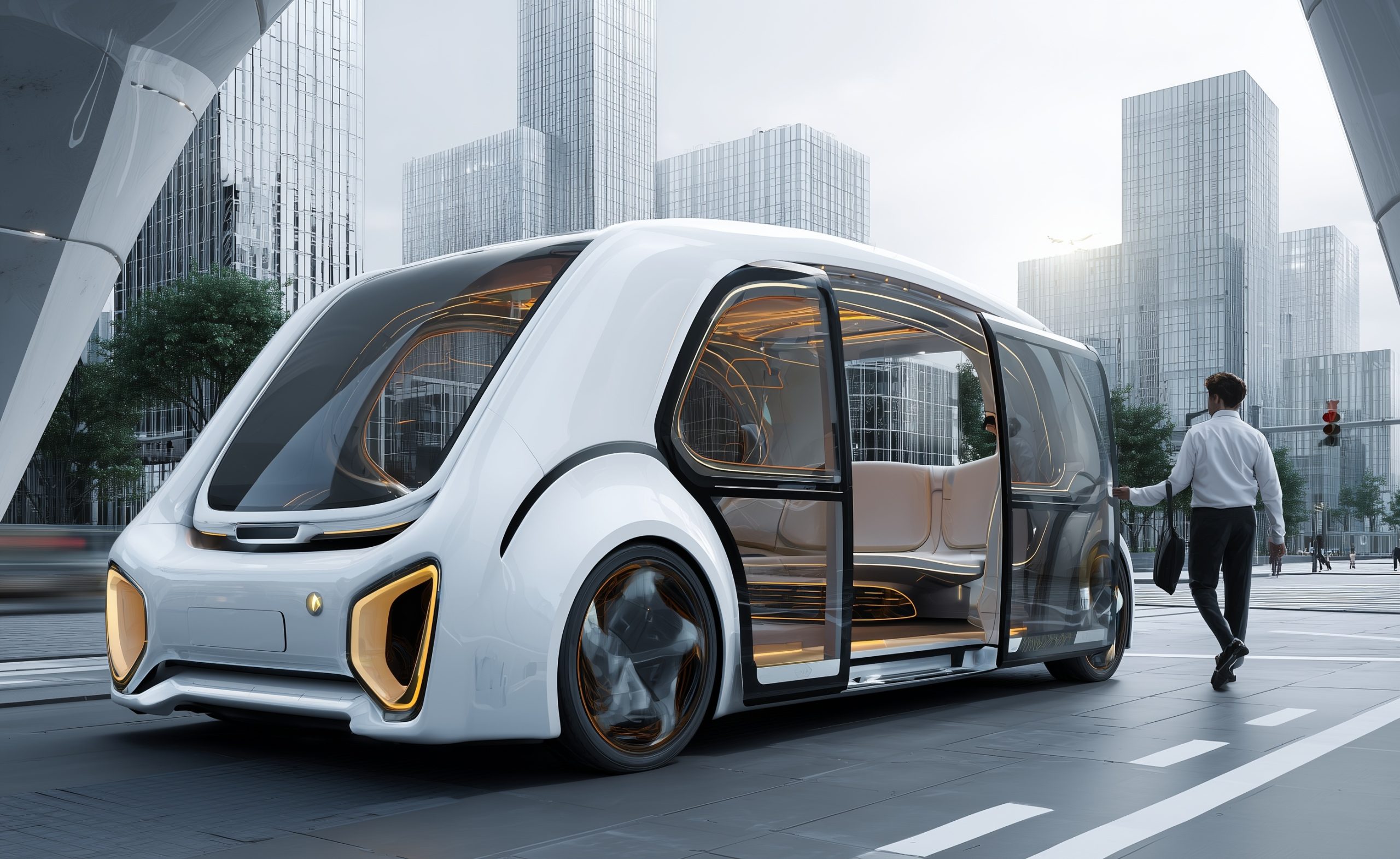
Waymo has hit a significant milestone, now facilitating 500,000 paid autonomous rides every week. While this figure remains a fraction of the volume handled by human-centric giants like Uber and Lyft, the pace of expansion into new markets is undeniable. However, this rapid scaling has exposed a controversial friction point: what happens when the “driver” is a computer that simply stops working?
When First Responders Become “AAA”
As autonomous vehicle (AV) fleets grow, so does the frequency of “paralyzed” cars. Recent investigations into Waymo’s operations reveal a troubling trend where public first responders are forced to act as free roadside assistance. In one startling incident in Austin, a police officer responding to a mass shooting had to divert their attention to manually move a stalled Waymo.
This reliance on taxpayer-funded services has drawn sharp criticism. San Francisco Supervisor Alan Wong noted that city officials are increasingly frustrated, arguing that emergency personnel should not serve as a support team for private tech companies. As Motional, Zoox, and Tesla prepare for their own aggressive rollouts, the industry faces a looming reckoning over its operational footprint.
The Efficiency Gap
Growth doesn’t always equal efficiency. Insider data suggests that Waymo vehicles currently take roughly 30% longer to reach destinations than human drivers. This lag is attributed to an abundance of caution; the software often opts for longer routes to avoid complex maneuvers like unprotected left turns, prioritizing safety over speed.
Major Moves in Mobility Funding
Despite operational hurdles, capital continues to flood the sector:
- Zipline: The drone delivery leader expanded its Series H to $800 million, bringing its valuation to $7.6 billion following explosive growth in home deliveries.
- Rivian: The EV maker secured another $1 billion from Volkswagen Group as part of their ongoing technology joint venture.
- Shield AI: The military autonomous aircraft developer raised a massive $1.5 billion Series G.
- NoTraffic: The traffic management startup closed a $90 million Series C to modernize urban intersections.
Industry Shifts and Sunset Projects
The landscape is shifting rapidly. While Zoox is expanding its purpose-built robotaxis into Austin and Miami, other projects are folding. Sony Honda Mobility has reportedly scrapped its Afeela EV project after years of hype. Meanwhile, companies like DoorDash are adjusting to geopolitical pressures, introducing driver relief payments as rising fuel costs impact the bottom line.
For those looking to dive deeper into these scaling challenges, the TechCrunch Disrupt 2026 conference will feature dedicated sessions on the future of autonomous infrastructure and investment.