
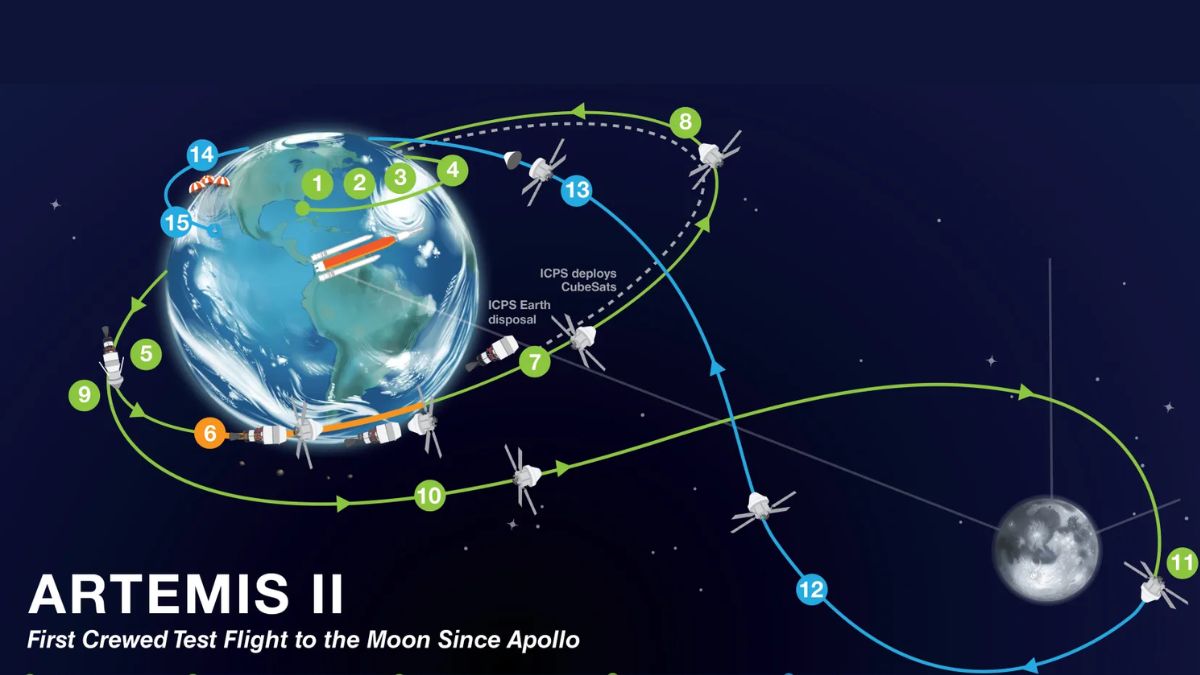
The launch of Artemis II marks a historic return to deep space, sending three Americans and one Canadian further into the solar system than any human in history. Yet, as the Space Launch System (SLS) carries the Orion spacecraft toward the moon, it also signals the end of an era. This mission is likely the final time NASA will attempt such a feat relying primarily on “legacy” contractors like Boeing and Lockheed Martin.
From Public Policy to Private Innovation
The roots of the current lunar campaign date back to the mid-2000s, but a pivotal shift occurred in 2010 when NASA began pairing traditional government projects with a program to support private orbital rockets. This move sparked a massive wave of venture capital investment in space. Fittingly, SpaceX launched its IPO on the same day as this mission, highlighting the total convergence of Silicon Valley finance and exploration.
The Future of the Lunar Landing
While the SLS remains the most powerful operational rocket today, its development was plagued by delays and budget overruns. Consequently, NASA has already outsourced the most critical piece of future missions—the lunar lander—to the private sector:
- SpaceX: Developing a variant of its Starship rocket to serve as the primary human landing system.
- Blue Origin: Blue Origin was added to the roster to build a secondary landing system to ensure competition.
- Robotic Scouts: Private firms like Firefly Aerospace and Intuitive Machines are already handling reconnaissance and testing.
A Strategic Overhaul
Under new NASA Administrator Jared Isaacman, a billionaire entrepreneur and SpaceX veteran, the agency is undergoing a radical streamlining. Isaacman has scrapped the “Gateway” lunar space station and cancelled expensive SLS upgrades to bet entirely on private-sector agility.
With a high-stakes “bake-off” between private landers set for 2027, the pressure is on. This isn’t just a scientific mission; it is a race against China, which aims to land citizens on the moon by 2030. For the first time, Silicon Valley has the chance to prove it can dominate the ultimate technological frontier.