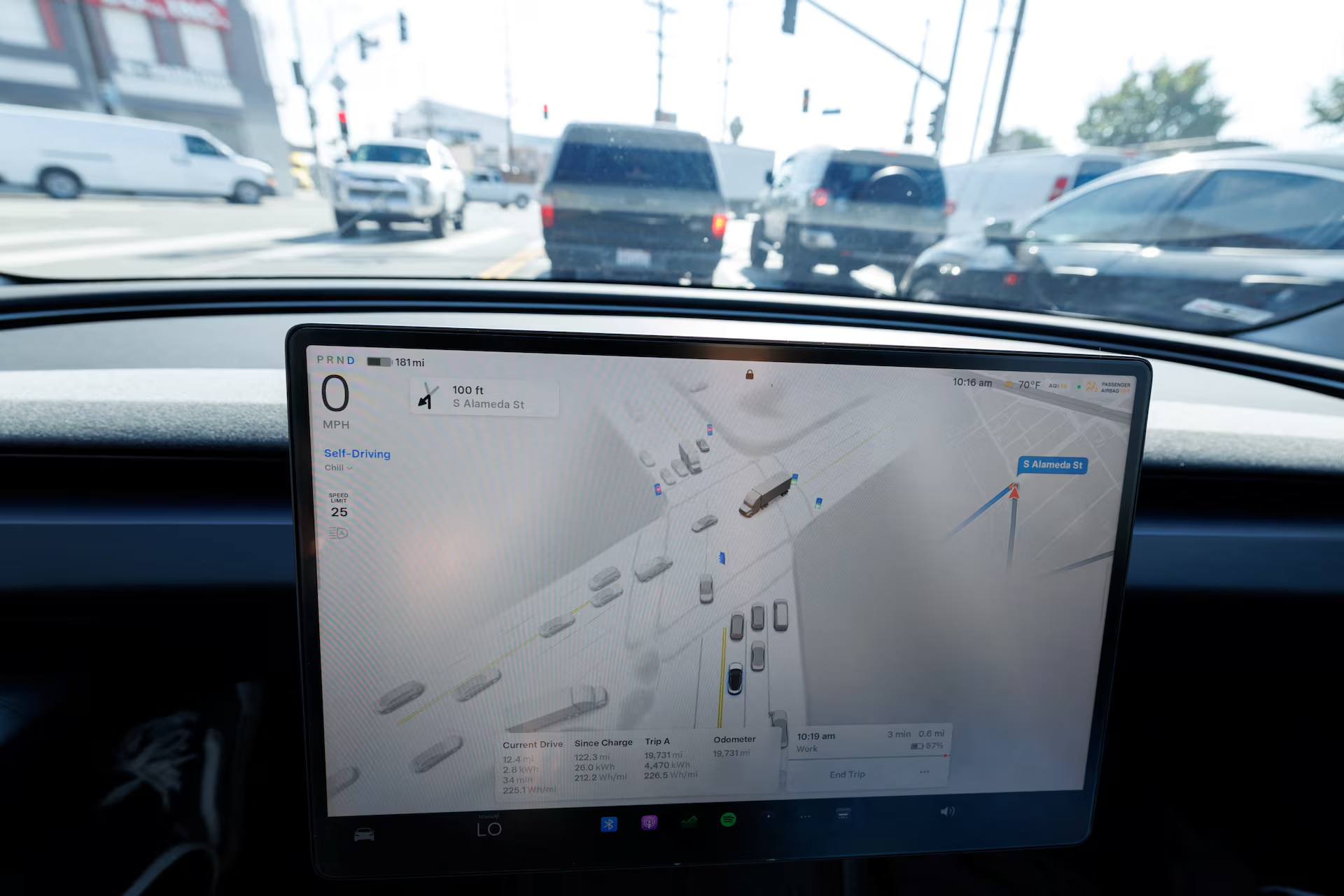
The federal government has officially ended its investigation into Tesla’s remote parking technology. The National Highway Traffic Safety Administration (NHTSA) announced it is closing the inquiry into the feature known as Actually Smart Summon, citing a lack of severe incidents and a low overall crash rate.
Low Speed, Low Risk
The investigation, which began in January 2025, was prompted by dozens of reports involving vehicles crashing while using the remote parking tool. However, after reviewing data from millions of sessions, the NHTSA found that incidents occurred in less than 1% of all uses.
Crucially, the nature of these accidents played a major role in the decision to close the file. The agency reported:
- No injuries or fatalities were linked to the feature.
- Crashes were exclusively low-speed events.
- Damage was typically limited to property like bollards, gates, or other parked cars.
- No incidents required a vehicle to be towed or triggered an airbag deployment.
The Shift to Vision-Only Navigation
Tesla released this iteration of the software in September 2024. It represented a significant technical shift, as it relied entirely on the vehicle’s onboard cameras. Unlike older versions of “Smart Summon,” which utilized ultrasonic sensors, the new version operates via Tesla Vision, navigating the car to the owner’s location using only visual data processed through the mobile app.
Identifying the Blind Spots
While the probe is closed, the NHTSA highlighted specific weaknesses in the system. Many of the recorded mishaps were caused by limited visibility within the app’s camera feed or environmental factors. Specifically, the system occasionally failed to detect its surroundings when cameras were obstructed by snow.
In response to these findings, Tesla has deployed several over-the-air software updates designed to improve object recognition and better detect when a camera’s view is compromised.
A Conditional Conclusion
The NHTSA was careful to note that closing this investigation does not mean the system is “defect-free.” The agency retains the authority to reopen the case if new safety risks emerge. For now, the focus remains on how these automated systems interact with “vulnerable road users,” though no such incidents were found during this specific review.
For more updates on the future of autonomous transit and regulatory shifts, follow the latest reporting at TechCrunch Mobility. If you’re looking to connect with industry leaders in this space, consider attending TechCrunch Disrupt 2026 to see the next wave of innovation firsthand.