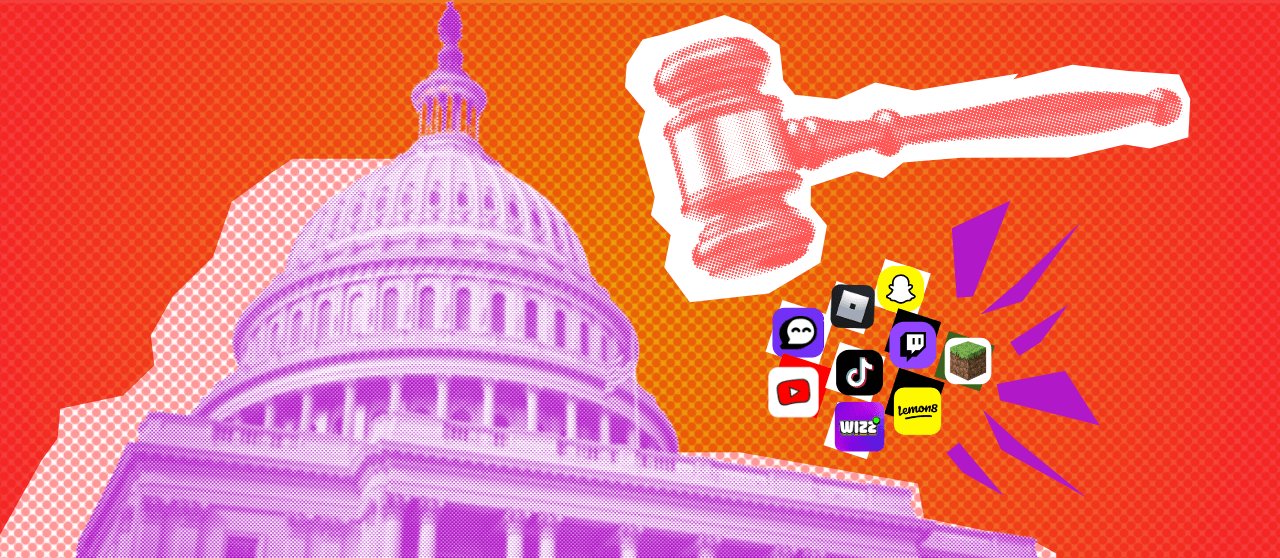
Governments worldwide are drawing a line in the digital sand. Concerned about the impact of algorithmic feeds on mental health, several nations are moving to restrict social media access for minors. These policies aim to combat a rising tide of cyberbullying, addiction, and exposure to predators.
Australia: Setting the Precedent
In December 2025, Australia became the first nation to legally bar children under 16 from most social platforms. The law targets heavy hitters like Facebook, TikTok, and X, though it excludes utility and kid-centric apps like WhatsApp and YouTube Kids. To ensure compliance, the government demands multi-factor age verification, threatening platforms with fines reaching $34.4 million USD for negligence.
The European Wave
Europe is moving rapidly toward similar age-gating:
- Denmark & Greece: Both are targeting a minimum age of 15. Greece’s ban, scheduled for 2027, specifically addresses rising anxiety and sleep deprivation among teens.
- France: Lawmakers recently passed a bill for an under-15 ban, championed by President Macron to curb excessive screen time.
- United Kingdom: The UK is currently consulting with parents to determine if an under-16 ban is viable, while also evaluating whether to outlaw compulsive features like infinite scrolling.
- Spain & Slovenia: Spain seeks to ban social media for those under 16 and plans to hold tech executives personally accountable for hate speech. Slovenia is drafting similar age-gated rules for apps like Snapchat and Instagram.
- Germany: Conservative leaders have proposed an under-16 ban, though political coalition partners remain divided on the approach.
Expansion in Asia
In early 2026, Indonesia and Malaysia announced their own restrictive plans. Indonesia’s ban for those under 16 is notably broad, covering video-sharing sites and gaming platforms like Roblox.
The Privacy Debate
This movement faces significant pushback. Critics, including Amnesty Tech, argue these bans are ineffective and compromise user privacy through invasive age-verification tools. As these regulations reshape the internet, industry leaders will likely weigh the consequences at major summits like TechCrunch Disrupt 2026. For now, the global trend is clear: the era of unrestricted social media for children is coming to an end.