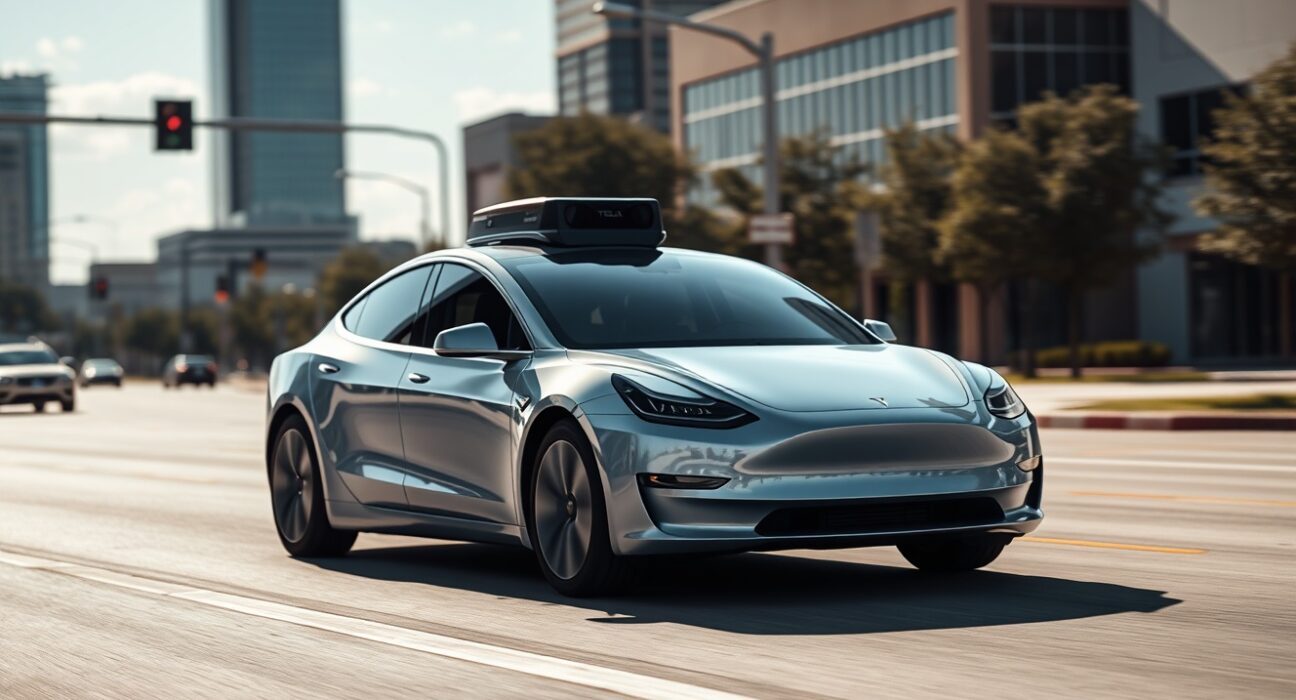
Tesla is officially broadening its autonomous horizons, launching its robotaxi service in Dallas and Houston. The expansion, announced via social media, marks a significant step in the company’s efforts to dominate the ride-hailing market through pure automation.
The Lone Star Stronghold
With this move, Tesla’s robotaxi footprint is now firmly planted in three major Texas hubs. The journey began in Austin last year, eventually transitioning to fully driverless operations in January 2026.
The latest rollout in Dallas and Houston continues this trend of total autonomy. Promotional footage released by the company showcases Tesla vehicles navigating city streets without a human monitor or safety driver in the front seat. While Texas serves as the primary testing ground for driverless rides, Tesla continues to operate a more conservative ride service in the San Francisco Bay Area that still utilizes human drivers.
Safety and Scaling Challenges
Despite the rapid geographic expansion, the transition to a driverless future has faced hurdles. According to a regulatory filing from February, Tesla’s Austin fleet has been involved in 14 crashes since its launch. These incidents highlight the ongoing scrutiny regarding the safety and reliability of autonomous systems in complex urban environments.
Furthermore, the “rollout” in these new cities appears to be starting on a very small scale. Data from the Robotaxi Tracker indicates that the presence in Dallas and Houston is currently minimal:
- Austin: 46 active vehicles
- Dallas: 1 active vehicle
- Houston: 1 active vehicle
While the fleet size in these new markets is currently symbolic, the move signals Tesla’s intent to refine its software across diverse metropolitan layouts. For now, the service remains a burgeoning pilot program as the company works to scale its hardware and prove the safety of its vision-based autonomous driving.