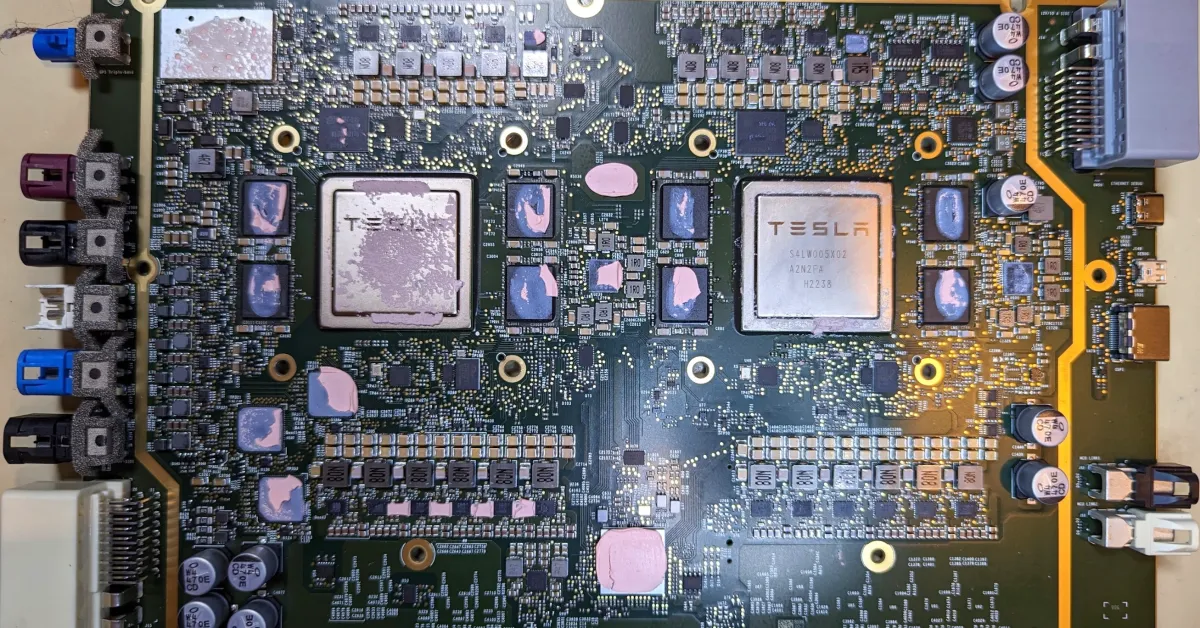
For years, Tesla owners were told their vehicles were already equipped with everything necessary for “Full Self-Driving” (FSD). The promise was simple: your car is a software update away from autonomy. However, Elon Musk has finally admitted that this vision has hit a significant hardware bottleneck.
The End of the Software-Only Dream
During a recent earnings call, Musk confirmed that the “Hardware 3” (HW3) suite—found in millions of Teslas produced between 2019 and 2023—is insufficient for “unsupervised” FSD. To achieve a level of autonomy where a human doesn’t need to watch the road, these vehicles will require entirely new computers and updated camera systems.
This admission marks a sharp pivot from years of corporate messaging. While Tesla still plans to provide incremental FSD improvements to HW3 owners, Musk was blunt about the hardware’s ceiling: it simply lacks the computational power to handle the complexities of fully autonomous operation.
A Logistical Nightmare: The Rise of Micro-Factories
Upgrading millions of vehicles is a Herculean task that threatens to overwhelm Tesla’s existing infrastructure. To combat this, Musk proposed a radical solution: building specialized “micro-factories” in major metropolitan areas.
These facilities would function like high-speed production lines specifically for hardware retrofits, preventing local service centers from being paralyzed by the sheer volume of cars needing new internals. Musk described the current service center process as “extremely slow” and “inefficient” for a project of this scale.
Conflicting Signals and Legal Risks
The road to this admission has been paved with inconsistent messaging. In early 2025, Musk hinted that upgrades might be “painful and difficult,” yet only months later, CFO Vaibhav Taneja suggested the company hadn’t fully given up on HW3.
This flip-flopping could have serious consequences. By admitting the hardware is inadequate, Tesla may face legal challenges from customers who paid thousands of dollars for the FSD package based on the guarantee that no further hardware purchases would be necessary.
As the company prepares for TechCrunch Disrupt 2026 and other industry milestones, the focus now shifts to whether Tesla can actually execute this massive recall-style upgrade and finally deliver on its decade-old promise of a driverless future.