
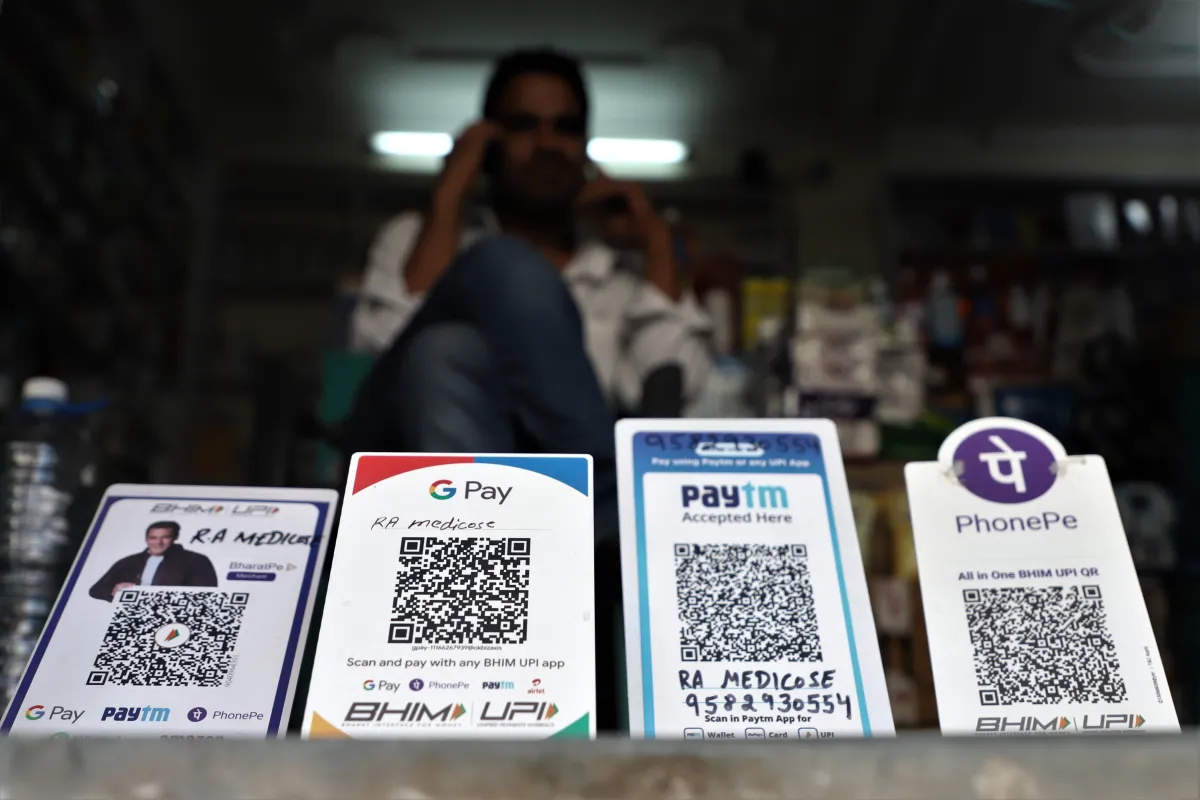
The battle for dominance in India’s digital payments landscape is heating up as global tech giants and local fintechs unite to challenge the status quo. Executives from Amazon Pay, WhatsApp, CRED, MobiKwik, and Flipkart’s Super.money are scheduled to meet with the National Payments Corporation of India (NPCI) to discuss the overwhelming market share held by PhonePe and Google Pay.
The Duopoly Problem
The Unified Payments Interface (UPI) is the backbone of India’s instant payments, processing billions of transactions every month. However, the ecosystem is currently lopsided. In March alone, PhonePe and Google Pay together accounted for approximately 80% of the 22.6 billion transactions on the network.
PhonePe’s scale is particularly daunting for newcomers. The company recently announced it has surpassed 700 million registered users and 50 million merchants, covering more than 98% of India’s postal codes. This massive reach makes it incredibly difficult for smaller rivals to gain a foothold.
Demanding a Level Playing Field
The lobbying group is expected to raise several critical issues regarding how the UPI ecosystem is managed. Key concerns include:
- User Acquisition: Seeking restrictions on how dominant players onboard new users.
- Data Usage: Proposing limits on the use of contact data to prevent unfair advantages.
- Feature Access: Ensuring fair access to advanced tools like autopay and payment mandates.
- Monetization: Requesting regulatory support and incentives to help emerging players compete.
A Regulatory Stalemate
The urgency of this meeting stems from a previous regulatory delay. The NPCI had originally planned to cap the market share of any single UPI app at 30%, but that deadline was pushed back to December 31, 2026. This extension has effectively allowed the leaders to entrench their positions further.
The NPCI now faces a difficult balancing act: it must find a way to encourage competition without disrupting a financial infrastructure that hundreds of millions of Indian citizens rely on daily. While the outcome of the meeting remains uncertain, the pressure on regulators to address market concentration is reaching a breaking point.