
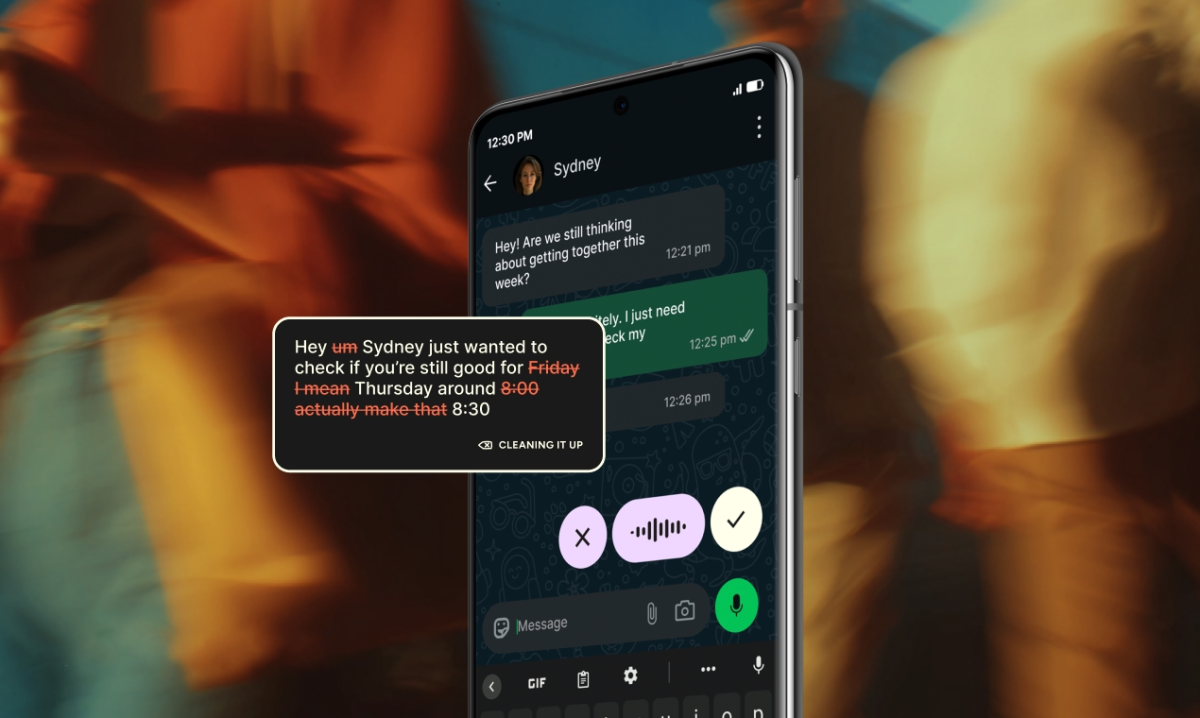
India is a nation that speaks in voice notes and searches by sound, yet scaling a voice-based AI business there has long been considered a “stress test” for tech companies. Between linguistic diversity and complex monetization, the hurdles are high. However, Wispr Flow, a Bay Area startup specializing in AI voice input, is leaning into the challenge, positioning India as its fastest-growing market.
Navigating the Linguistic Maze
The cornerstone of Wispr Flow’s strategy is its focus on Hinglish—the hybrid blend of Hindi and English ubiquitous in Indian daily life. By launching a dedicated Hinglish model and expanding to Android, the startup has moved beyond its initial white-collar user base of engineers and managers.
According to CEO Tanay Kothari, the product is now seeing a surge in personal use on platforms like WhatsApp. This shift has accelerated growth from 60% to 100% month-over-month following a targeted marketing push in hubs like Bengaluru.
Explosive Growth and Mobile Adoption
India has quickly become the company’s second-largest market after the U.S. Data from Sensor Tower reveals that while India accounts for 14% of the app’s 2.5 million global downloads, it currently contributes only 2% of in-app revenue.
Despite the revenue gap, usage patterns are promising. While the U.S. market is 80% desktop-driven, Indian usage is split 50:50 between desktop and mobile. Wispr Flow also boasts a stellar 70% retention rate after 12 months, suggesting that once users adopt the tool, it becomes essential to their workflow.
The Pricing Pivot and Local Presence
To capture the “next billion users,” Wispr Flow is aggressively localizing its costs. The current India-specific pricing of ₹320 (approx. $3.40) per month is a deep discount from the $12 global standard. Kothari’s ultimate goal is even more ambitious: driving costs down to just ₹10–20 per month to reach every household.
To support this expansion, the company has hired Nimisha Mehta to lead local operations and plans to grow its Indian team to 30 employees. This team will focus on adding more regional language combinations over the next year.
A Crowded Frontier
Wispr Flow isn’t alone in this pursuit. Global players like ElevenLabs and local startups such as Gnani.ai, Smallest AI, and Bolna are all vying for a piece of the voice economy. As Counterpoint Research notes, overcoming “accent and contextual friction” remains the ultimate hurdle. By employing linguistics PhDs to refine its models, Wispr Flow is betting that technical precision will be the key to winning India’s voice revolution.