
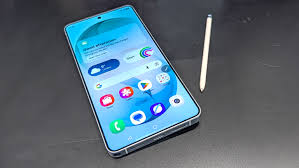
At the recent Galaxy S26 launch event, Samsung unveiled a significant leap in mobile screen technology designed to kill the “shoulder surfing” problem once and for all. Rather than relying on physical accessories, the company’s new display tech allows users to toggle privacy settings on a per-app basis, ensuring sensitive data remains visible only to the person holding the device.
A Smarter Solution to Shoulder Surfing
For years, users concerned about privacy have relied on adhesive privacy films. While effective at blocking side-angle viewing, these films are permanent and often degrade screen brightness and clarity for everyone—including the owner.
Samsung’s integrated solution replaces these clunky overlays with a dynamic system. By moving the privacy layer directly into the pixel stack, the Galaxy S26 Ultra can switch between private and public viewing modes instantly, maintaining high-fidelity visuals without the permanent dimming associated with plastic films.
How the Black Matrix Works
The secret to this feature is an architecture Samsung calls Black Matrix. The display utilizes a specialized combination of “narrow” and “wide” pixels:
- Narrow Pixels: These emit light in a tightly controlled path directed straight forward. When privacy mode is active, only these pixels engage, making the screen appear black or illegible from the side.
- Wide Pixels: When the user wants to share their screen or view it from an angle, these pixels activate to broadcast light in all directions.
Granular Control for Sensitive Apps
The most impressive aspect of this technology is its software integration. Users don’t have to toggle privacy for the entire phone; instead, they can whitelist specific applications. You might set your banking and messaging apps to be permanently “private,” while keeping your photo gallery or maps in standard mode for easy sharing.
The system even extends to individual notifications. During a live demo by tech creator Miles Franklin, the display successfully blacked out specific sensitive alerts when the phone was tilted away, while leaving the rest of the interface visible. For those in high-risk environments, a “Maximum Privacy Protection” setting further enhances the effect by aggressively tuning contrast and brightness to mask on-screen content from prying eyes.
Hardware Availability
This advanced display tech is making its debut on the flagship Galaxy S26 Ultra. Beyond the privacy features, the device is powered by a custom chipset designed to handle the increased AI demands of modern mobile computing. By integrating security directly into the hardware of the screen, Samsung is positioning its latest flagship as the gold standard for users who value data discretion in public spaces.