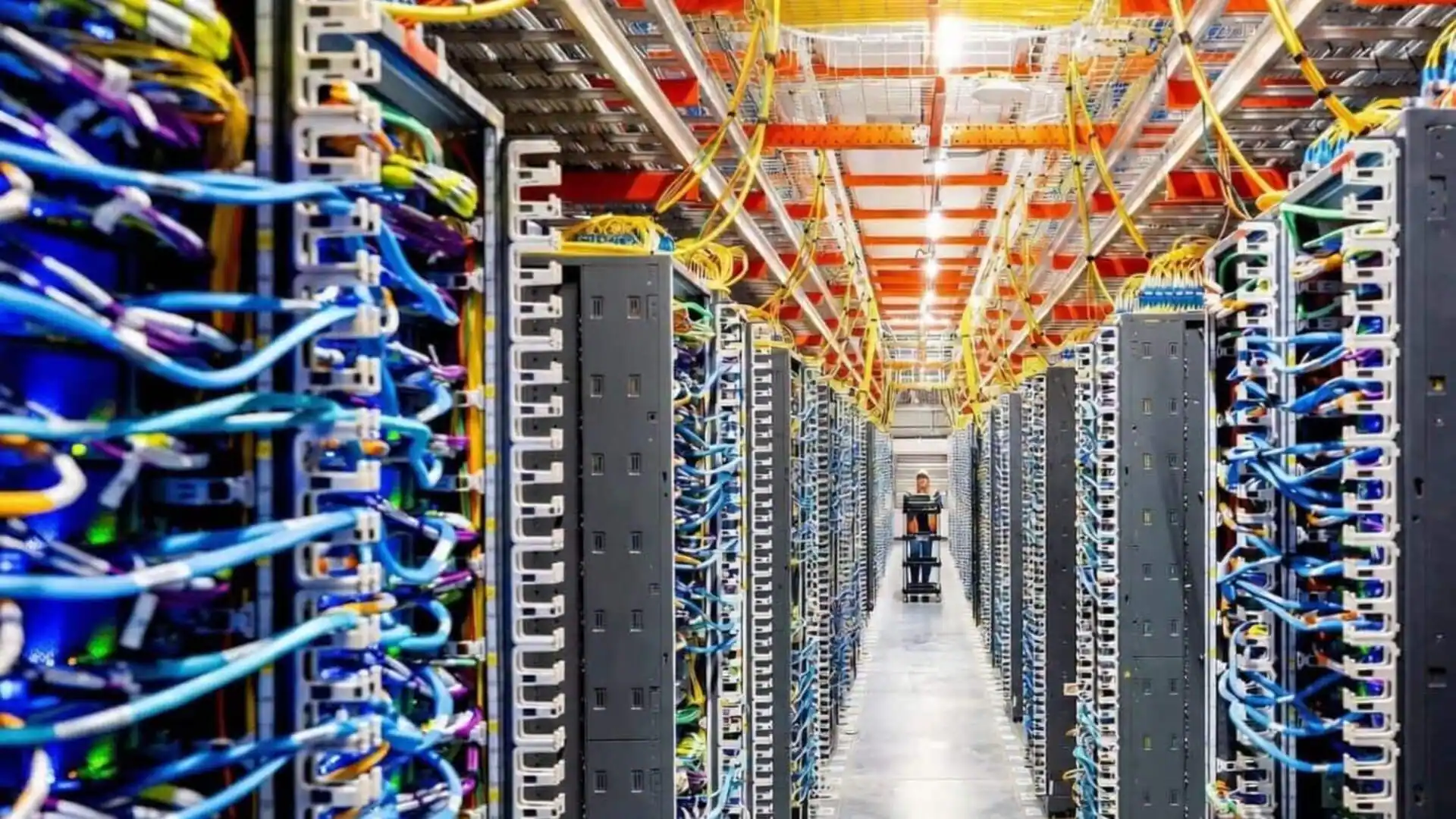
For decades, data centers operated as the silent, invisible backbone of the internet. Tucked away in nondescript industrial parks, they rarely drew public ire. However, as the physical footprint of the digital world expands to meet the demands of artificial intelligence, local communities are starting to push back.
A Preference for Warehouses
Recent polling suggests a surprising trend in public sentiment: people would rather live near a massive e-commerce warehouse than a sleek data center. According to data highlighted by Axios, a Harvard/MIT poll found that while 40% of respondents supported local data center construction, there is a distinct preference for traditional industrial facilities.
The reason often comes down to perceived utility. While an e-commerce warehouse brings a flurry of local activity and visible employment, data centers are often viewed as “ghost” buildings—massive structures that consume vast resources while providing very few long-term jobs once the initial construction phase ends.
Power Grids and Price Hikes
Perhaps the biggest hurdle for the tech industry is the growing anxiety over energy infrastructure. The Harvard/MIT survey revealed that two-thirds of participants worry that new data centers will drive up local electricity prices. As these facilities require immense amounts of power to cool servers and run complex models, residents fear their own utility bills will suffer to subsidize big tech.
The AI Factor
The opposition becomes even more pronounced when “AI” is attached to the project. A study by Quinnipiac University found that a staggering 65% of Americans oppose building AI-specific data centers in their communities. Only 24% of those surveyed expressed support, signaling that the hype surrounding artificial intelligence in Silicon Valley is failing to win over Main Street.
A New Political Flashpoint
This shift in public opinion is moving from neighborhood forums to the political stage. What was once a routine zoning matter is now a significant electoral issue. As the industry faces increasing scrutiny over its environmental impact and resource consumption, the “not in my backyard” (NIMBY) sentiment is likely to intensify. For tech giants, the challenge is no longer just about engineering faster chips—it’s about convincing the public that these digital cathedrals are worth the space and power they demand.