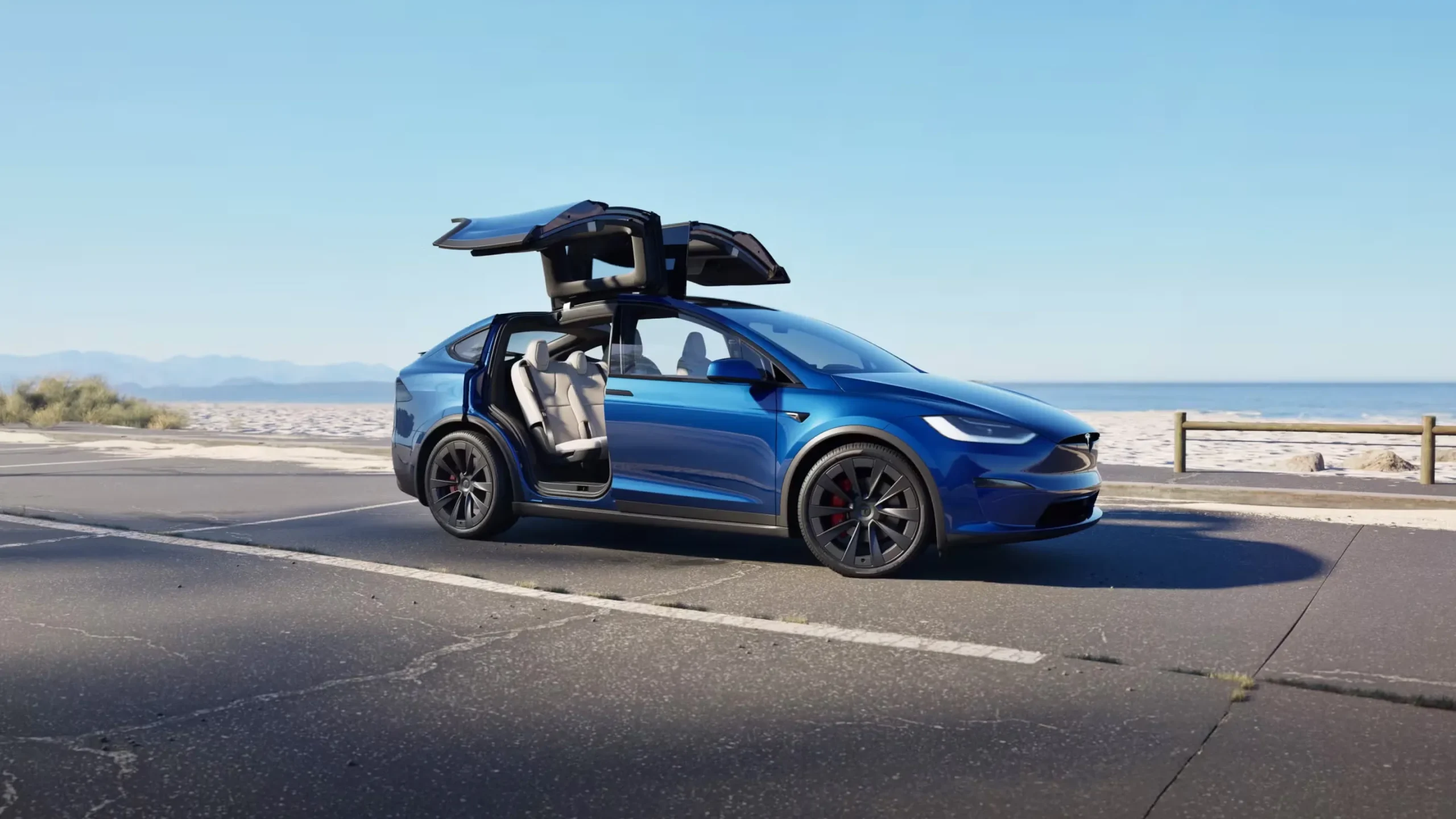
The era of the luxury electric flagship is drawing to a close. Tesla has officially ceased custom orders for the Model S sedan and Model X SUV, with CEO Elon Musk confirming that only a dwindling inventory remains. This move signals a definitive shift in Tesla’s identity, moving away from its roots as a traditional premium automaker toward a future defined by robotics and artificial intelligence.
The Decline of the Flagships
The decision to retire the S and X models is backed by clear market data. While the Model S revolutionized the industry in 2012 and the Model X introduced Tesla to a broader demographic, their dominance has faded. Combined sales for these “legacy” models peaked in 2017 at over 101,000 vehicles. By 2025, that figure dropped to roughly 50,000—a small fraction of the 1.63 million vehicles Tesla delivered globally that year.
The high-volume Model 3 and Model Y have long since taken the lead, but even their growth has faced headwinds. In 2025, Tesla saw a second consecutive year of declining sales, eventually losing its crown as the world’s top EV producer to China’s BYD, which delivered 2.26 million vehicles.
All-In on the Cybercab and Optimus
Musk is not replacing these high-end EVs with a traditional low-cost car. Instead, the company is pivoting to the Cybercab, an autonomous two-seater designed without a steering wheel or pedals. Production is slated to begin this month at the Austin, Texas, factory.
Simultaneously, the Fremont plant—once the home of the Model S and X—is being repurposed to build the Optimus humanoid robot. Musk’s vision is clear: Tesla is an AI company, and the future of transportation lies in a “minimum cost per mile” autonomous fleet rather than human-driven vehicles.
Significant Hurdles Ahead
Despite the ambition, the Cybercab faces massive obstacles:
- Regulatory Compliance: Current federal safety standards require traditional controls like pedals. While Amazon-owned Zoox has secured limited exemptions for its custom robotaxis, Tesla has yet to show public evidence of similar filings with the NHTSA.
- Software Reliability: The success of the project hinges on Full Self-Driving (FSD) software. While testing continues in markets like Austin, Tesla has not yet proven the system can operate safely at scale without human intervention.
- Operational Complexity: Launching a driverless taxi service requires complex state-level permits for commercial deployment, a path currently being forged by competitors.
Musk remains undeterred, predicting that in the future, less than 5% of all miles driven will involve a human behind the wheel. The death of the Model S and X is simply the price of admission for that autonomous future.